
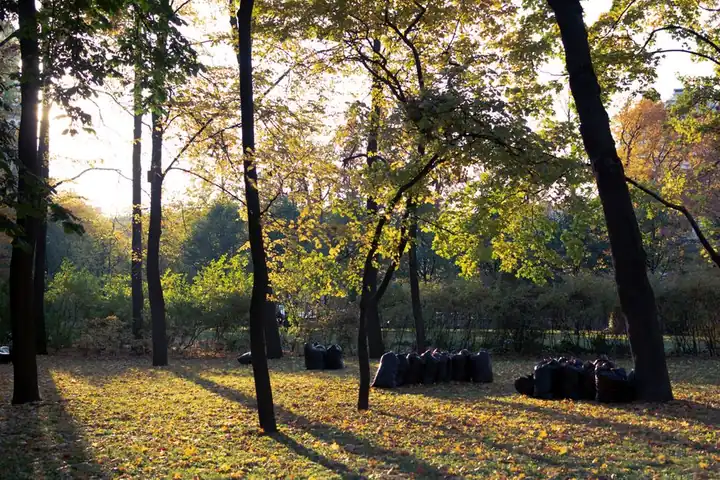
The best time for fall yard cleanup in Virginia is usually from late October through November, with a first pass during heavy leaf drop and a final clearing before the first hard freeze. Schedule around your trees and local forecast rather than choosing one statewide date; leaves keep falling after an early cleanup, and mountain areas cool sooner than the coast.
Virginia autumn yard cleanup timing matters because wet leaf layers can smother turf, block drains, and leave garden beds messy through winter. The guidance below lays out a practical schedule for lawns, beds, branches, and debris, including how the calendar shifts across the state.
Best Time for Fall Yard Cleanup in Virginia is the seasonal window for clearing leaves and yard debris before winter weather damages turf, blocks drainage, or leaves beds unprepared. We help homeowners plan that work around actual leaf drop, frost, and the shape of their property.
When is the best time for fall yard cleanup in Virginia?
The best time for fall yard cleanup in Virginia is after most trees have dropped their leaves but before repeated hard freezes make outdoor work difficult. For many central and northern Virginia properties, that means a main cleanup in November; coastal yards can run later, while higher elevations often need attention in October.
Use the condition of your yard as the signal. If a layer of leaves hides more than half the grass or gathers in thick, damp mats, clear it rather than waiting for every branch to finish shedding. A second visit two to four weeks later catches late leaves and is often more effective than trying to predict one perfect day.
For a typical home, the calendar should leave room for two passes: remove the bulk of the leaves in peak drop, then finish before prolonged freezing weather. Our Yard Cleanup Services in Virginia cover leaf clearing, bed tidying, and debris hauling as part of a sensible pre-winter plan.
How Virginia's regions change the cleanup calendar
Fall yard cleanup timing varies across Virginia because elevation, proximity to the Chesapeake Bay and Atlantic, and local tree species affect both leaf drop and frost dates. A coastal yard in Hampton Roads can stay workable after an upland yard near the Blue Ridge has already seen freezing nights.
In the mountains and Shenandoah Valley, cooler nights arrive earlier, and leaves from maples, oaks, and other hardwoods can accumulate quickly from October into November. In northern Virginia and the Piedmont, peak leaf drop often stretches across several weeks in late October and November. The Tidewater region's milder coastal influence can extend useful cleanup weather into late November or early December, although storms can bring sudden loads of leaves and branches.
Homeowners around Richmond should watch the mix of mature street trees and neighborhood shade: a sunny front lawn may clear weeks before a wooded back lot. In the city, our Yard Cleanup Services in Richmond are timed to the property rather than a fixed date on the calendar.
Weather changes the schedule from year to year. A warm autumn can delay leaf drop; a windy front can fill a lawn overnight. Check the 7- to 10-day forecast before setting the final cleanup, especially if rain is expected, since wet leaves are heavier and harder to move.
A practical fall cleanup schedule for lawns and beds
A fall yard cleanup schedule for Virginia climate works best in stages: remove large debris early, clear leaves as they build up, and do the final lawn and bed work before winter settles in. You do not have to wait until every tree is bare to begin.
Early fall: handle the first debris
In September and early October, clear fallen limbs, acorns, and heavy leaf patches that collect in gutters, on walkways, or around drains. Keep mowing while the grass is actively growing; as a general guide, finish the season with turf around 2½ to 3 inches tall, adjusting to the grass type and your mower rather than scalping it short.
Remove diseased or heavily infested plant material from beds instead of leaving it under a fresh layer of mulch. Healthy leaf litter can stay in a natural woodland area, but thick layers on lawn grass should be chopped or removed.
Peak leaf drop: keep grass uncovered
From late October through November in much of the state, inspect your lawn every 7 to 14 days. If leaves form a mat, rake or mulch them promptly. A light scattering can be mulched into small pieces; if you cannot see grass through the leaf layer, bag or collect the excess.
Our Leaf Removal in Virginia helps when repeated leaf drop covers a large lawn, driveway, or drainage area and you need the material hauled away instead of piled at the curb.
Late fall: finish beds and prepare for cold
Once most leaves are down, tidy perennial beds by removing broken stems, rotting annuals, and diseased foliage. Many gardeners leave healthy perennial stems and seed heads standing for winter structure and wildlife, then cut them back in spring. Add a 2- to 3-inch mulch layer where needed, keeping mulch away from trunks and plant crowns.
Before the first hard freeze, clear branches from paths and drains and move loose garden debris off the lawn. In Virginia, frost timing differs considerably by region, so use local forecast lows rather than a statewide date. Aim to finish the heavy work while soil is firm enough to walk on without leaving deep footprints.
- September to early October: remove fallen limbs and spot-clean early leaf piles.
- Late October through November: clear heavy leaf accumulation every 1 to 2 weeks.
- Late fall, before repeated freezes: complete bed cleanup and final debris hauling.
Why leaves and debris should not wait until spring
Removing thick leaf layers before winter protects Virginia lawns from prolonged shade and trapped moisture. When wet leaves sit for weeks, grass blades lose light and airflow, and the covered turf can thin or turn yellow by spring. That does not mean every leaf must disappear: a light, finely chopped layer can break down, but a dense mat should be cleared.
Leaves also move. Wind pushes them into fence corners, foundation beds, and storm drains, where they can slow runoff during heavy rain. A few hours of cleanup before winter can prevent slippery walks and reduce the amount of soggy material you face when spring growth starts.
Branches and garden debris deserve the same attention. Broken limbs can hide in leaves, and storm winds can shift loose material onto paths or lawns. If a storm leaves heavier limbs across a yard, our Branch and Limb Removal in Virginia addresses the larger material that a rake and lawn bags cannot handle.
Some habitat-friendly areas do not need a full clear-out. Leave a modest layer of healthy leaves beneath shrubs or in a designated natural corner, but keep leaves away from young plants, walkways, drains, and turf you want to maintain.
Common fall cleanup mistakes to avoid
Virginia homeowners get better winter results by avoiding rushed cleanup, excessive bed clearing, and leaf piles left where rain can spread them. A careful final pass matters more than making every bed look bare.
- Cleaning once too early: An October cleanup can be followed by several more weeks of leaf fall. Plan a follow-up instead of assuming the first pass will last.
- Waiting for every leaf: A thick layer can smother turf while you wait for the last oak leaves. Clear damaging buildup in stages.
- Raking wet leaves into heavy piles: After rain, leaves are harder to move and can weigh several times more than dry ones. If possible, wait for a dry day or clear smaller loads.
- Scalping the lawn: Cutting grass very short before winter weakens it. Keep the final mowing at a reasonable height for your grass, generally near 2½ to 3 inches for common cool-season lawns.
- Removing every perennial stem: Some healthy stems and seed heads provide winter cover. Focus on diseased material and plants that need a fall cutback.
Do not pile leaves against siding, fences, or tree trunks. Keep drains and walkways clear, and avoid working on saturated soil; repeated foot traffic can compact it just when you want good drainage through winter.
When to call a professional for fall yard cleanup
Professional fall yard cleanup in Virginia makes sense when a property has more leaves than you can clear in a weekend, repeated storm debris, steep slopes, or a large number of beds and lawn edges. We can remove leaves, gather branches, tidy garden areas, and haul yard waste so your property is ready before cold weather limits outdoor work.
It also helps to book before peak leaf drop is fully underway. Fall schedules fill as homeowners across the region seek the same short window of dry weather; if you are asking how late you can book, contact us while leaves are still falling and explain the size of the lawn, the number of trees, and whether debris needs hauling.
Our team at Virginia Yard Cleanup Pros can help you choose a practical visit schedule instead of leaving you with one oversized cleanup after months of accumulation. We can also provide straightforward pricing before the work begins.
Frequently Asked Questions
When is the best time for fall yard cleanup in Virginia?
The main cleanup window is late October through November, with a final pass before repeated hard freezes. Mountain areas often need earlier work, while coastal yards can remain workable later. Clear heavy leaf mats as they form rather than waiting until every tree is bare.
Should I remove leaves before winter in Virginia?
Yes, remove thick leaf mats from lawns before winter; a light layer chopped into small pieces can remain. Dense, wet leaves block light and hold moisture against grass. Keep leaves out of storm drains and off walkways, and leave only modest healthy litter in natural areas.
How many times should I clear leaves during autumn?
Most Virginia yards benefit from 2 or 3 leaf-clearing passes, spaced about 1 to 2 weeks apart during heavy drop. A property with many mature oaks or maples may need more frequent attention. Clear any thick layer that hides the grass instead of relying on a fixed count.
When should garden beds be cleaned for winter in Virginia?
Clean beds after most leaves have fallen and before repeated hard freezes, often in November in central Virginia. Remove diseased foliage and annual plants, but leave healthy stems that provide seed or winter structure. Apply 2 to 3 inches of mulch without burying plant crowns or tree trunks.
Does fall cleanup timing vary across Virginia?
Yes. Higher elevations and mountain communities typically cool earlier than the Piedmont and Tidewater, where mild coastal weather can extend cleanup into late November or early December. Local leaf drop, rain, and forecast lows are better guides than one statewide calendar date.
Get help with Yard Cleanup Services in Virginia
We can clear leaves, tidy beds, and remove yard debris before winter weather makes the work harder. Call Virginia Yard Cleanup Pros at +1 (540) 296-6598 to plan your fall cleanup.