
Logo
Get Estimate

Yard Debris Removal in Virginia for Clearer Yards

We haul away leaves, brush, branches, and storm debris


Yard Debris Removal in Virginia gives homeowners and property managers a practical way to clear fallen leaves, brush, branches, and storm debris before it smothers turf or blocks walkways. Our Virginia yard debris removal service handles one-time cleanups and seasonal loads across the state. We collect, load, and route material according to local yard waste disposal and composting requirements, leaving your lawn, beds, and access paths visibly clearer.

Top view of a street cleaner wearing orange uniform sweeping debris on a city sidewalk.
Licensed Licensed & Bonded
Fully Insured Insured & Bonded
24/7 Emergency Same-Day Response
Warranty Backed Workmanship Guaranteed

What Yard Debris Removal Includes

Our standard visit covers the agreed collection area, gathering of eligible organic debris, loading, hauling, and a final check for loose material. We handle leaves, grass clippings, weeds, garden bed debris, and ground-level branches. Standing trees, hazardous attached limbs, regulated pesticide applications, and material outside the confirmed area require separate planning; we do not treat them as ordinary pickup.

Leaves and Lawn Clippings

We rake or gather fallen leaves and excess grass clippings from lawns, paths, and accessible planting beds. Material is consolidated for loading, with care around turf edges and retained plants. If you have bagged waste already staged, show us which bags are part of the pickup before the crew starts.
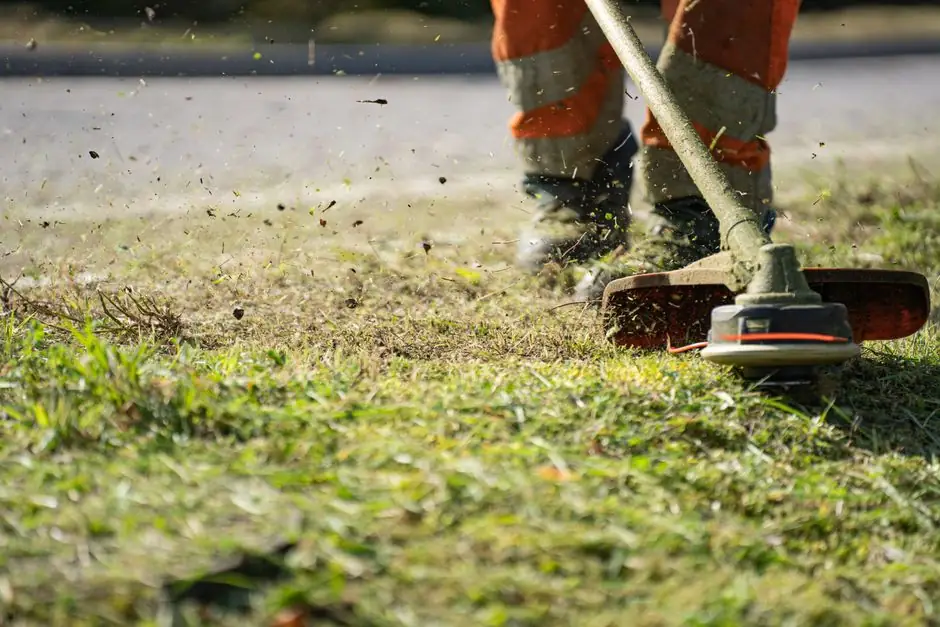

Brush and Small Limbs

We collect ground-level branches, brush, and woody vegetation that can be safely handled within the agreed work area. The crew consolidates tangled material so sharp ends are controlled during loading. Large or attached limbs that require cutting are assessed as tree work rather than routine debris hauling.

Beds and Fence Lines

We remove loose garden bed debris, weeds, and wind-scattered waste from the accessible areas you identify. Fence lines often trap leaves and brush, so we work along the boundary without disturbing fixtures or plants you want retained. The finished edge is left clear of collected piles.

Loading and Hauling

Collected material is loaded and taken from the property, with sorting guided by local yard waste disposal and composting requirements. We use the access route agreed at the start and avoid dragging loads across delicate turf where possible. You are not left with a new debris pile to manage.

Yard Debris Removal in Virginia, Explained


Yard Debris Removal in Virginia is a property cleanup and hauling service that collects and removes organic outdoor waste after routine growth, seasonal change, or storms. We rake and gather fallen leaves, branches and limbs, grass clippings, weeds, and garden bed debris, then load the material for suitable disposal or composting. The work can include turf edges, planting beds, fence lines, and accessible paths. We separate material where local facilities require it, rather than treating every load as mixed trash.

Virginia's conditions vary from humid coastal neighborhoods to cooler mountain communities, so debris builds up differently across the state. Heavy leaf accumulation can mat lawns in autumn, while summer storms scatter limbs and wind-scattered yard waste across beds and walkways. If you need to remove leaves, brush, and yard waste in Virginia, we assess access, volume, and material type first. That keeps the crew focused on the actual load, whether your property needs a few bags collected or a full trailer load hauled.

What to Expect From Pickup

Yard debris pickup in Virginia follows a simple sequence: identify the material, confirm access, gather and load it, then leave the work area swept clear. A small, accessible load often takes 1-2 hours; a heavily overgrown property takes longer. We explain the work and price before loading begins.

01

Schedule

Call or book online — a real human picks up and confirms a 2-hour arrival window.

02

Diagnose

Licensed tech inspects on-site, then walks you through the cause and your options.

03

Fix

The job is completed to code and done right the first time — no shortcuts, no surprises.

04

Guarantee

Every job backed by a written workmanship warranty — and we stand behind it.

Tools and Cleanup Methods

Tools & Equipment

Leaf rake

We use a leaf rake to pull loose leaves from turf and beds without driving heavy equipment across soft ground. It also helps gather small twigs from lawn edges.

Bow rake

A bow rake moves heavier debris and levels loose material into a manageable pile. We use it where the surface allows, keeping the tines away from roots and delicate plantings.

Leaf blower

A leaf blower moves dry leaves from broad lawn areas and hard surfaces toward a collection point. We keep airflow controlled near beds, gates, parked vehicles, and neighboring property.

Loppers

Loppers help reduce manageable fallen branches into lengths that can be handled and loaded safely. They are used for ground-level cleanup, not as a substitute for qualified work on attached or overhead limbs.

Tarp

A tarp carries gathered leaves and brush across sensitive lawn areas and contains loose material during loading. It can reduce repeated trips through narrow access routes.

Compostable yard waste bags

These bags keep suitable organic material contained when bagging is part of the local collection plan. We use them when the destination accepts bagged yard waste and keep material separate when requirements call for it.

Methods & Standards

Area-by-area collection

We divide the work area into lawn, bed, fence-line, and access-path zones. Each zone is gathered and checked before we move on, which limits missed pockets of leaves and avoids moving the same debris several times. You can identify priority areas during the initial walkthrough.

Material separation

We distinguish leaves and grass from brush and larger branches when the destination or local rules require separate handling. Keeping those streams apart during collection helps prevent unsuitable mixed loads. We confirm any material you want retained for compost or mulch before it is loaded.

Protected hauling route

Before moving loaded bags or carts, we choose a route that avoids delicate beds, soft lawn, and narrow turning points. A tarp or wheelbarrow helps move material without dragging it across the ground. After rain, we adjust the route to reduce rutting on saturated turf.

Ground-level safety check

We inspect storm debris for attached limbs, unstable stacks, sharp branches, and overhead hazards before collection. OSHA safety training applies to relevant crew tasks, while tree work is assigned according to its qualifications and scope. That check helps distinguish safe hauling from work that requires a different method.

When to Schedule Debris Pickup

01

Autumn leaves are collecting faster than you can bag them, especially along mature tree lines and garden beds.

What we do: We gather leaf mats from the lawn, remove leaves caught at bed edges, and haul the collected material. If you have a preferred compost pile or want selected mulch retained, point it out before loading. We plan the work around the volume rather than leaving you with a stack of filled bags.

→ Your lawn and beds are visible again, and routine mowing or seasonal planting can resume without moving the same leaves twice.

02

A storm has scattered branches and leaves across the driveway, lawn, and walk to the entrance.

What we do: We clear safe, ground-level debris first, open the access route, and consolidate the remaining material for hauling. We assess attached or suspended limbs as a separate tree-work concern. That distinction helps keep routine cleanup moving without putting the crew or property at unnecessary risk.

→ You regain clear access to the driveway and walkway, with collected storm waste removed instead of left at the curb.

03

A rental or recently purchased property has overgrown edges, brush piles, and debris in several yard areas.

What we do: We walk the property with you, define the areas to clear, and prioritize access paths and fence lines before moving to lawn and beds. The team gathers loose waste and manageable brush in one planned operation. You can identify retained plants or materials during the walkthrough.

→ The yard becomes easier to inspect and maintain, and the new owner or property manager starts with a clear view of the lawn and boundaries.

04

Grass clippings, weeds, and dead growth have accumulated after routine mowing and bed maintenance stopped.

What we do: We collect excess clippings, dead plants, and loose weeds from agreed areas, then haul the debris away. If the yard has dense brush or growth that needs cutting, we identify that work before collection. This separates ordinary waste pickup from heavier overgrowth work.

→ The property is left with clearer lawn edges and beds, ready for a fresh mowing or a planned garden maintenance visit.

How Virginia Conditions Shape Cleanup

Virginia's long growing season, humid summers, autumn leaf drop, and periodic storm systems create different debris loads from one region to another. Coastal properties can see wind-scattered yard waste and salt-exposed branches, while inland and mountain yards often collect heavier leaf layers and woody debris. We plan Yard Debris Removal around the actual material, not a statewide assumption. In northern communities, narrow side gates and compact lots can make carrying distance more important than pile size; larger rural properties often need staged collection across lawn edges and tree lines. Our garden waste hauling Virginia service also accounts for local yard waste disposal and composting requirements, which vary by locality. If you book professional Yard Debris Removal in Virginia with hauling, tell us about access, wet ground, and any storm-related limbs. We choose a route that protects turf, separate material where needed, and keep public-road work aligned with Virginia Department of Transportation work-zone requirements when applicable.

Neighborhoods We Serve

  • Norfolk

    Compact lots, mature trees, and fenced side yards can limit equipment access. We plan a carry route through gates and keep leaves from being blown into neighboring yards or street drains.

  • Lake Ridge

    Sloped lawns and wooded edges often collect leaves and small branches below tree lines. We check footing and choose a hauling route that avoids soft ground and established planting beds.

  • Christiansburg

    Cooler seasonal shifts can leave dense leaf cover and fallen limbs in larger yards. We gather material from lawn edges and beds, then plan hauling around the property entrance and pile volume.

  • Poquoson

    Wind can push leaves and light brush across exposed yards and into fence corners. We secure collected material and clear the agreed paths without leaving loose piles to scatter again.

Local Conditions We Plan For

  • Wet autumn leaves compact on lawns after repeated rain.

    Damp leaves weigh more and are harder to move in one pass. We gather them in smaller sections and avoid running loaded carts over saturated turf, reducing the chance of ruts and torn lawn edges.

  • Summer storms scatter limbs across access routes and planting beds.

    We separate ground-level debris from attached or suspended limbs before loading. If the hazard is still connected to a tree, the crew does not treat it as ordinary hauling; applicable tree-work qualifications are needed.

  • Local facilities set different rules for yard waste and composting.

    Accepted materials, bag requirements, and drop-off options vary by locality. We plan material separation around the applicable local requirements and avoid promising composting where a facility does not accept the load.

Leaf-Covered Lawn Reset

Before

A 1,200-square-foot front lawn had a deep layer of fallen leaves, with more packed beneath shrubs and along the walkway. Several bags were already full, but loose leaves remained across the grass. The homeowner could not see the turf edges well enough to mow without gathering everything first.

After

We cleared the lawn and accessible bed edges, gathered the remaining leaves, and removed 14 filled bags of material. The walkway and turf boundary were visible again, and the owner could inspect the grass for bare areas. The result was a usable lawn rather than a stack of leaves waiting beside the driveway.

Maintenance: During peak leaf drop, clear the lawn every 7-14 days when practical and remove wet mats before they compact. Keep a small compost pile only where local rules and available space allow, and schedule a full haul when the volume exceeds your bag capacity.

Before

Brush and small limbs had built up across a 60-foot fence line, trapping leaves and narrowing the mowing strip. The growth was ground-level and tangled, with several larger branches mixed through it. Moving the pile through the side gate required a planned route to avoid the adjoining planting bed.

After

We consolidated the manageable brush, collected the trapped leaves, and hauled 9 bags plus a secured branch load. The fence base and mowing strip were visible along the cleared section, and the gate route remained open. One attached limb was left for appropriate tree-work handling rather than cut as routine debris.

Maintenance: Inspect the fence line after seasonal storms and remove loose branches before brush tangles together. A quarterly edge check can keep the strip manageable; add a pickup sooner if windblown material or weeds begin to block mowing access.

Before

A storm left branches across a two-car driveway, with leaves and small twigs scattered over the front lawn and entrance path. The debris was ground-level except for one limb still attached above the lawn. The household needed clear vehicle access but did not want the attached limb handled as ordinary pickup.

After

We opened the driveway and path, gathered the scattered leaves, and removed 6 bags of yard waste and one consolidated load of fallen branches. The attached limb was identified separately for qualified tree work. Vehicle access and the front entrance were clear when the crew finished.

Maintenance: After strong winds, walk the driveway and paths before moving vehicles or mowing. Arrange prompt collection for fallen limbs, then have attached hazards assessed through appropriate tree-work service. Keep collected leaves secured so another gust does not spread them back across the yard.

Remove Leaves, Brush, and Yard Waste

A debris problem rarely stays in one place: rain mats leaves onto turf, wind pushes waste into beds, and brush builds along fence lines. We gather and haul the material before it blocks routine yard work or walkways. You get a defined cleanup area and a clear result.

Problem

Heavy leaf accumulation is covering turf and planting beds.

A thick, damp layer blocks light, hides bare patches, and makes mowing difficult. Left in beds, it also obscures plants and leaves cleanup for a larger later job.

Our Fix

We rake or blow the leaves into manageable piles, collect them from the lawn and beds, and haul them off the property. If leaves are trapped under shrubs or along a fence, we address those accessible edges too. You can ask us to leave usable mulch in place rather than remove all organic cover.

Problem

Storm debris is blocking a driveway, lawn, or walkway.

Loose limbs and scattered material reduce access and create trip hazards, especially around steps and narrow paths. The longer debris sits, the more likely it is to be spread by another round of wind or rain.

Our Fix

We identify safe, ground-level material, clear the agreed route, and consolidate branches and leaves for hauling. If a limb remains attached or hangs over an occupied area, we stop short of treating it as routine debris and direct the work to qualified tree-care handling. The cleared path is checked before we leave.

Problem

Brush buildup along fences is spreading into usable yard space.

Tangled brush collects windblown waste, hides the fence base, and makes mowing or access along the boundary difficult. A neglected strip can turn into a dense cleanup rather than a simple pickup.

Our Fix

We work along the agreed fence line, gather manageable brush and woody vegetation, and remove the resulting load. Our crew protects nearby beds and checks gates before moving material through. If the growth needs cutting beyond ordinary hand clearing, we define that work separately so the hauling plan remains clear.

Problem

Garden beds are clogged with weeds and dead seasonal growth.

Dead plants and loose debris cover bed edges, make retained plants hard to see, and complicate spring planting or fall preparation. Clearing only the lawn leaves the main cleanup unfinished.

Our Fix

We remove accessible weeds, dead annual plants, and loose bed debris while leaving plants and features you identify. The waste is gathered for hauling instead of being pushed onto the lawn. You can combine bed cleanup with leaf collection to clear both the planting areas and their surrounding edges in one visit.

A Cleaner Yard With Less Hassle

A Cleaner Yard With Less Hassle

A cleared property is easier to use, maintain, and inspect. We remove organic debris from the areas you identify, then leave the remaining lawn and beds ready for routine care. The right pickup also prevents loose piles from shifting back across the yard.

  • Protect Turf and Beds

    A thick layer of wet leaves can block light and trap moisture against grass and planting beds. We rake or blow accumulated material into manageable piles, then haul it away instead of leaving bags at the curb. Clearing a 1,000-square-foot lawn section can restore access for mowing and reveal bare or damaged areas that need attention.

  • Clear Walkways Safely

    Branches, seed pods, and damp leaves make steps and paths harder to use. We clear the route from the yard to the collection point and remove obstructing material, including smaller fallen limbs. For larger or elevated hazards, we identify the work boundary and use appropriately qualified tree-care support rather than cutting overhead limbs as routine debris work.

  • One Haul, Fewer Piles

    A Virginia garden and lawn debris pickup near me search often follows a cleanup that has outgrown household bags. We gather loose material across the agreed work area and haul it in one coordinated visit when access and load volume allow. You avoid repeated trips, scattered curb piles, and bags sitting through another rain.

  • Make Seasonal Upkeep Easier

    Removing debris before the next mowing or planting cycle reduces the amount of material you must move by hand. We can clear beds, fence lines, and lawn edges in the same visit, then leave reusable mulch in place when requested. That gives you a clean starting point for a spring or fall maintenance routine.

Safety and Service Standards

Licensed & Certified

  • ISA Certified Arborist credential for applicable tree work — issued by International Society of Arboriculture
  • OSHA safety training for applicable crew tasks — issued by Occupational Safety and Health Administration
  • Virginia pesticide applicator certification when applying regulated pesticides — issued by Virginia Department of Agriculture and Consumer Services
  • Virginia Department of Transportation work-zone requirements when applicable — issued by Virginia Department of Transportation

Verified Reviews

Customer feedback Not stated

A homeowner in Norfolk described a leaf pickup that cleared the lawn, bed edges, and path to the gate in one visit. The crew protected retained shrubs and hauled the bags instead of leaving them at the curb. The customer could mow and inspect the lawn as soon as the work was finished.

Customer feedback Not stated

A Lake Ridge customer reported brush buildup along a fence and leaves caught under shrubs. The crew carried material through a side gate without damaging the lawn, removed the load, and checked the boundary before leaving. The result was a usable mowing strip and no leftover pile.

Customer feedback Not stated

After a storm in Christiansburg, a customer needed the driveway and front walk cleared. The crew removed ground-level branches and scattered leaves, while identifying an attached limb as separate tree work. The household regained access without having an unsafe limb treated as routine hauling.

Field Knowledge That Matters

Our local experience covers the practical differences between loose leaves, tangled brush, storm-felled branches, and ordinary mowing residue. The crew matches the method to the material, protects lawn edges during hauling, and follows local yard waste disposal and composting requirements. Tree work beyond ground-level debris is handled with the right qualifications: an ISA Certified Arborist credential for applicable tree work, OSHA safety training for applicable crew tasks, and Virginia pesticide applicator certification when regulated pesticides are applied. We do not treat those credentials as substitutes for careful site planning.

  • We separate loose leaves, brush, and limbs when local facilities require different disposal or composting streams.
  • Applicable tree work is assigned with an ISA Certified Arborist credential and the correct scope for the hazard.
  • Crew tasks follow OSHA safety training where applicable, especially around hauling routes and storm debris.
  • We account for gated access, slopes, and lawn softness before moving loaded equipment across your property.
  • When work affects a public roadway, we follow Virginia Department of Transportation work-zone requirements when applicable.
Get Started Today
Field Knowledge That Matters

Cities We Serve Across Virginia

Our statewide coverage connects coastal, central, northern, and mountain communities with coordinated yard debris pickup and hauling. Virginia's weather, yard layouts, and disposal requirements vary, so we adapt the collection plan to the property rather than using one fixed method. From compact fenced lots to broad wooded yards, we gather the material, protect access routes, and account for local waste rules. Call to discuss your city and the debris you need removed.

Norfolk

We clear leaves, small limbs, and wind-scattered yard waste from compact yards, beds, and narrow side access. Material is gathered and hauled with care around fences and neighboring properties.

Portsmouth

Our crew collects seasonal leaves and ground-level branches from lawns, beds, and walkways, planning around gates and driveway access. We haul the load rather than leaving curbside piles.

Lake Ridge

For sloped yards and wooded edges, we assess footing and carry routes before moving debris. We clear leaves and manageable branches while protecting lawn edges and planting beds.

Fair Oaks

We remove leaves, grass clippings, and brush from residential lawns and fence lines, then haul the material. A clear work boundary helps keep planting areas and retained items undisturbed.

Cave Spring

We gather leaves and fallen limbs from larger lawn areas and tree edges, sorting the material when required. The crew plans hauling around the driveway and the distance from debris piles.

Christiansburg

Cool-season leaf drop and storm branches can build up across yards here. We clear accessible lawn, bed, and walkway debris, then remove the collected load from the property.

Merrifield

Where yards have tight gates and limited staging space, we plan a compact carry route. Our crew gathers leaves and brush by section and removes the load without blocking access.

Idylwood

We clear leaves from lawn edges, garden beds, and paths while working around established landscaping. A careful hauling route helps protect smaller yards and narrow access points.

Fort Hunt

Mature trees can leave leaves and branches across lawns and planting beds. We collect ground-level material, clear agreed paths, and haul debris while preserving plants you identify.

Groveton

Our pickup addresses leaves, grass clippings, and small storm debris in residential yards. We confirm access and collection boundaries, then leave the agreed lawn and walkways clear.

Poquoson

Wind can move leaves and light brush into exposed corners and fence lines. We gather and secure the material for hauling, then check that loose waste is not left behind.

Dranesville

For properties with wooded edges and broad lawn areas, we work section by section to gather leaves and fallen branches. We plan the load and disposal route around the material type.

Warrenton

We collect seasonal leaves, brush, and ground-level limbs from yards with longer driveways or larger outdoor areas. The crew consolidates material and hauls it from the property.

Crozet

We handle leaf mats and storm-fallen branches across lawn edges, beds, and accessible paths. A site check helps us account for slopes, wet ground, and the route to the collection vehicle.

Fort Belvoir

We plan yard debris pickup around property access and any applicable work-zone requirements. Leaves, brush, and fallen branches are gathered, loaded, and removed from the agreed area.

Yard Debris Removal FAQs

Real answers to the questions we hear most often from local homeowners and property managers.

What does Yard Debris Removal in Virginia include?
Yard Debris Removal in Virginia includes gathering, loading, and hauling agreed organic yard waste such as leaves, grass clippings, weeds, brush, and fallen branches. We can clear lawn areas, planting beds, fence lines, and accessible walkways. Large standing or overhead limbs require separate qualified tree work. The final work area and material list are confirmed with you before the crew begins.
How much does outdoor waste removal cost in Virginia?
In 2026, a straightforward residential pickup often costs $150-$850, with the final price driven by volume, access, labor, and disposal needs. A small pile near a driveway costs less than brush spread through a large yard or carried through narrow gates. We provide upfront pricing after reviewing the material and work area. Photos and an approximate number of bags or pile dimensions help us assess the job.
Will a Virginia yard debris service haul away branches and leaves?
Yes, we haul fallen leaves and ground-level branches, with common residential jobs taking 1-4 hours depending on volume and access. We gather loose material, consolidate brush, and load it for removal. A hazardous hanging limb or a tree section that requires cutting is a different scope and needs appropriate tree-work qualifications. Tell us if debris followed a storm so we can plan the safest approach.
Where does removed yard debris go after collection?
Collected debris goes to a suitable local disposal, yard-waste, or composting route based on material type and local requirements. Leaves and other compostable material may be kept separate from mixed brush or unsuitable waste. We do not promise that every load is composted; acceptance rules vary by facility and locality. If you want material retained for your own compost or mulch, tell us before loading.

Related Yard Cleanup Services

Spring Yard Cleanup

Spring cleanup clears winter-fallen twigs, leaf mats, and dead annual plants before routine mowing and planting begin. We can pair it with debris hauling so your beds and turf are not left with piles to move later. It is a practical reset after months of wet weather and wind.

View Spring Yard Cleanup

Fall Yard Cleanup

Fall service gathers leaves, pine needles, and garden bed debris before repeated rain compacts them into turf. We haul the collected material and clear accessible walkways. Schedule it around the heaviest leaf drop if your property has mature trees or long fence lines that trap windblown leaves.

View Fall Yard Cleanup

One-Time Yard Cleanup

A one-time cleanup suits a property that has not had regular maintenance, a home preparing for sale, or a yard that needs one clear reset. We define the work areas, remove accumulated debris, and haul the load away. You can then decide whether routine visits are necessary.

View One-Time Yard Cleanup

Leaf Removal

Leaf removal focuses on lawn coverage, planting beds, and the areas where leaves collect against fences or steps. We rake or blow leaves into manageable piles, then remove them rather than leaving bags behind. Clearing heavy leaf accumulation helps restore light and access before winter weather.

View Leaf Removal

Storm Debris Cleanup

Storm cleanup removes fallen branches, scattered leaves, and ground-level debris after high winds or heavy rain. We first identify safe access and separate ordinary cleanup from hazardous hanging limbs. The crew then gathers and hauls material, helping you reopen paths and use the yard without loose debris underfoot.

View Storm Debris Cleanup

Brush Clearing

Brush clearing targets dense brush and woody vegetation along fence lines, yard edges, and neglected areas. We cut and consolidate manageable growth within the agreed work area, then haul the resulting debris. It is useful when a standard leaf pickup would not address the volume or tangled structure.

View Brush Clearing

Book Yard Debris Removal in Virginia

Get the leaves, brush, and fallen branches off your property in one planned visit. We provide upfront pricing and arrange collection around the size and access of your yard. Call Virginia Yard Cleanup Pros at +15402966598 to discuss the material and schedule your cleanup.

Call Today Request Pickup

Contact Our Cleanup Crew

Tell Virginia Yard Cleanup Pros what is happening in your yard and which areas matter most. Call +15402966598 to discuss leaf buildup, storm debris, or an overgrown property; our team answers during weekday business hours and responds to messages as soon as the office reopens. Share your community and a brief description, and we will help plan the next step.

Or call us right now at +15402966598 — we answer.

Virginia Yard Cleanup Pros


  • Phone

    +15402966598
  • Address

    Virginia

  • Hours

    Mon–Fri: 7AM – 7PM
    Sat: 8AM – 4PM
    Sun: Emergency Only
    24/7 Emergency Available

Call +15402966598 Get Quote
Call Quote