Logo
Get Estimate

Storm Debris Cleanup in Virginia for Clear, Safe Yards

We haul storm waste and reopen lawns, beds, and paths


Storm Debris Cleanup in Virginia gets fallen limbs, broken branches, scattered leaves, and windblown yard waste out of your way. We help homeowners, landlords, and property managers facing blocked walkways, damaged planting beds, or a lawn buried after high winds. Our storm-damaged yard cleanup service Virginia residents use restores usable outdoor space, with careful sorting and hauling after the immediate danger has passed.

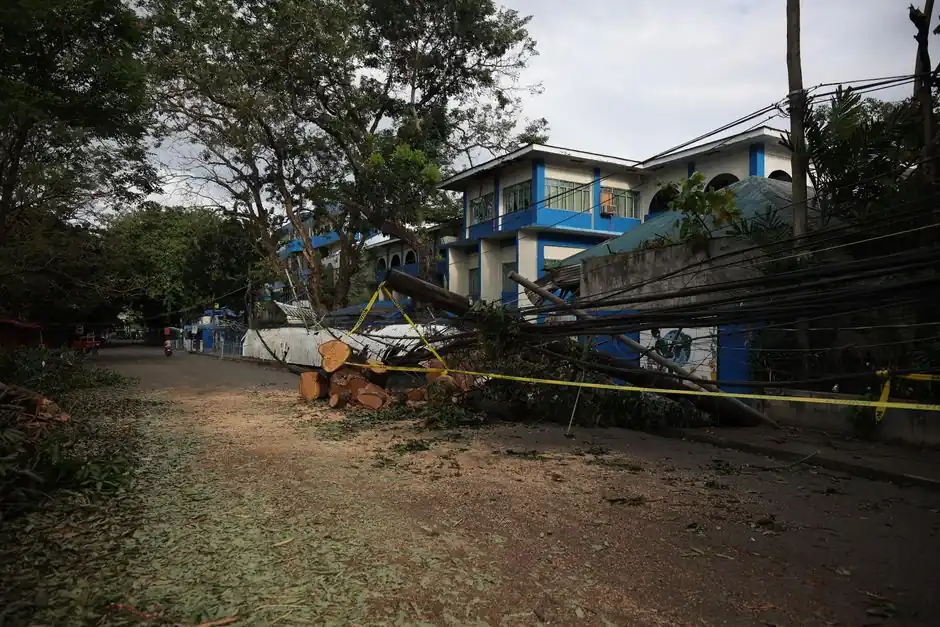
Fallen tree and power lines blocking a suburban street after a storm.
Licensed Licensed & Bonded
Fully Insured Insured & Bonded
24/7 Emergency Same-Day Response
Warranty Backed Workmanship Guaranteed

What Storm Cleanup Covers

Storm cleanup covers accessible outdoor debris collection, consolidation, and hauling from the areas agreed with you. We can clear lawns, paths, beds, and fence edges. Dangerous overhead limbs, power-line hazards, and major tree removal are separate specialized work; we identify these concerns rather than putting a ground crew at risk.

Loose Branch Collection

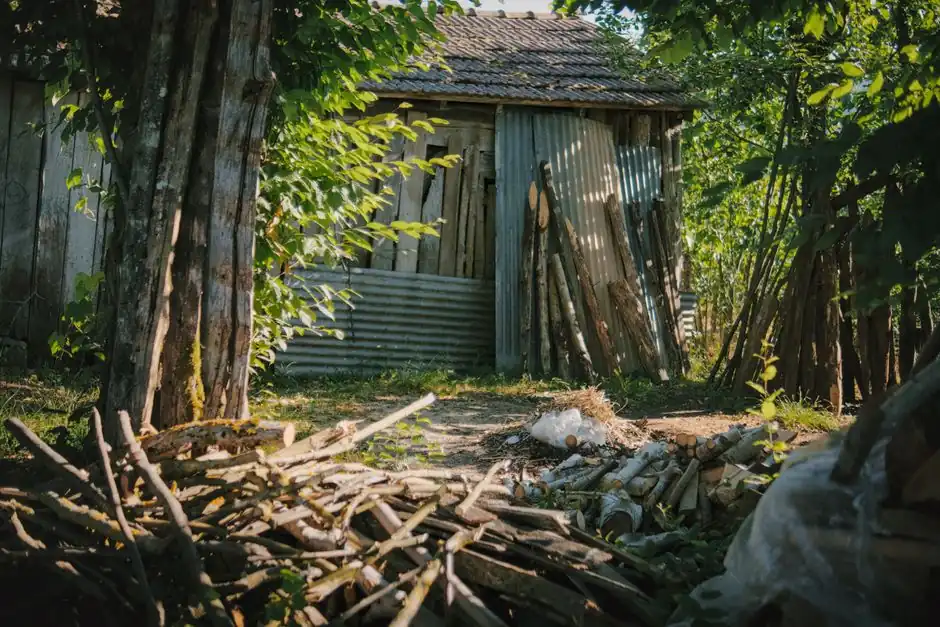
We gather fallen branches and limbs that are resting safely on the ground, including pieces scattered across lawns, walkways, and drive edges. We move debris to a collection point without cutting attached limbs or entering an unstable tree's drop zone.
Leaves and Yard Waste

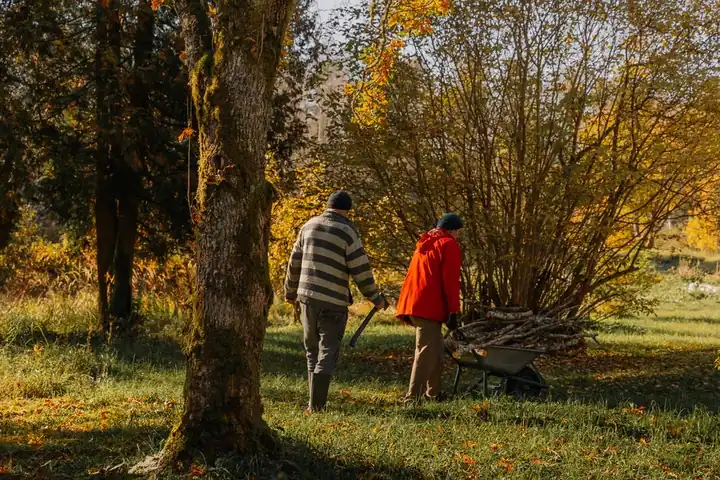
We collect windblown leaves, small twigs, and other loose organic yard waste from the cleanup area. Where suitable, we use compostable yard waste bags or consolidate material for hauling in accordance with local disposal and composting requirements.

Brush and Fence Lines

We pull accessible brush and woody vegetation away from fence lines, gates, and lawn edges. This clears hidden debris and restores access while avoiding damage to fence panels, established shrubs, or nearby landscape features.

Paths and Lawn Access

We clear the agreed paths and lawn routes of storm debris so you can move safely through the property. We pay attention to wet leaves and small branches that can conceal uneven ground, then check those routes again during the final walk-through.

Collection and Hauling

We consolidate debris and haul the collected material from the site as part of the cleanup plan. Volume, loading access, and local disposal rules shape the hauling method, especially when wet leaves or tangled brush require extra handling.

Storm Debris Cleanup in Virginia: What We Do


Storm Debris Cleanup in Virginia is an outdoor debris removal service that clears fallen branches, leaves, brush, and scattered yard waste after damaging weather. We inspect accessible areas, separate manageable material from hazards, gather loose debris, and haul the collected waste for disposal or composting where local rules allow. The work can include clearing lawns, garden beds, fences, driveways, and walkways. We use hand tools and mechanical equipment suited to the site, protecting turf and nearby planting while making the yard safe to use again.

Virginia weather ranges from strong thunderstorms and tropical-system rain to winter ice and gusty mountain winds, so the debris differs by region and season. One property may have a few limbs across a path; another may have brush piled against a fence and leaves packed into beds. Our Virginia storm debris cleanup addresses those conditions without treating every yard alike. If you need professional Storm Debris Cleanup in Virginia after high winds, we remove accessible material and identify hazardous overhead limbs that require qualified tree work.

What to Expect From Cleanup

Our process starts with the hazards and access points, then moves to collection, hauling, and a final walk-through. A small yard with scattered branches may take 2 to 4 hours; dense debris or several large piles can require a longer visit. We explain the work and price before cleanup starts.

01

Schedule

Call or book online — a real human picks up and confirms a 2-hour arrival window.

02

Diagnose

Licensed tech inspects on-site, then walks you through the cause and your options.

03

Fix

The job is completed to code and done right the first time — no shortcuts, no surprises.

04

Guarantee

Every job backed by a written workmanship warranty — and we stand behind it.

Tools and Cleanup Methods

Tools & Equipment

Leaf rake and bow rake

We use a leaf rake for loose leaves and small twigs, then a bow rake to consolidate heavier brush or debris on firm ground without scattering it.

Tarp and wheelbarrow

A tarp gathers smaller material for a controlled carry, while a wheelbarrow moves heavier loads through accessible paths and reduces repeated handling.

Leaf blower

We use a leaf blower selectively to gather dry leaves from open surfaces, not to push debris into beds, fences, or neighboring areas.

Loppers and hand pruners

Loppers and hand pruners handle small, loose woody pieces when safe and appropriate. We do not use them to cut overhead limbs or unstable trees.

Husqvarna and STIHL equipment

Husqvarna and STIHL equipment may support suitable ground cleanup tasks where the job calls for it; we select equipment based on debris, access, and safe operating conditions.

Methods & Standards

Hazard-first site sequence

We inspect for downed wires, hanging limbs, unstable trees, and blocked routes before collecting debris. The crew sets a safe boundary, clears accessible paths, and then moves into the broader yard. This prevents routine gathering from putting people beneath a tree hazard.

Zone-by-zone collection

We divide the work area into practical sections such as lawn, beds, paths, and fence lines. Material is consolidated once and moved toward the loading point, rather than shifted repeatedly around the yard. You can see which areas are finished during the visit.

Local disposal compliance

We account for local yard waste disposal and composting requirements when handling organic debris. The appropriate route depends on the municipality and the material collected. Where road access or public right-of-way work is involved, applicable Virginia Department of Transportation work-zone requirements also matter.

When to Book Storm Cleanup

01

High winds scatter branches across a lawn, driveway edge, and the path used to reach the backyard.

What we do: We start by reopening the path and clearing loose branches from the driveway edge, then gather smaller debris from the lawn. A tarp and wheelbarrow help move material through narrow access without making several loose piles. We finish by checking the routes you use most.

→ You regain safe access to the yard and driveway, with collected debris removed instead of pushed into a corner.

02

Heavy rain and gusts leave wet leaves packed into garden beds and against a fence line.

What we do: We lift the leaves and loose brush from the affected beds, check the fence edge, and keep healthy plants and useful mulch in place. Wet material takes more effort to collect, so we plan for careful handling rather than blowing it into another part of the property.

→ Beds and fence lines are visible again, making it easier to notice storm damage and plan follow-up maintenance.

03

A rental or shared property has storm debris blocking common paths and lawn areas.

What we do: We prioritize entrances and shared walkways, then work through lawn sections and gathering points. We keep residents' access in mind while consolidating branches and leaves for hauling. The property manager can identify the areas that must be cleared first during the site check.

→ Residents can use the main routes sooner, and the common lawn is cleared in a coordinated visit.

04

Winter weather leaves broken limbs and scattered debris across a sloped yard.

What we do: We assess footing and access before moving material on a slope, then collect only debris that can be handled safely from the ground. We use a controlled route and avoid dragging heavy branches across soft lawn. Hazardous trees or overhead limbs are referred for appropriate tree work.

→ Accessible debris is removed without sending the crew into unsafe conditions, and you know which remaining hazards need specialized attention.

How Cleanup Works Across Virginia

Virginia's storm patterns change across the state. October brings falling leaves and gusty fronts, while winter can add ice-broken limbs; spring thunderstorms and summer tropical systems create their own mix of branches, brush, and wind-scattered yard waste. We plan each visit around the actual property, not a one-size-fits-all route. In denser neighborhoods, narrow side yards and parked cars affect loading access; rural and sloped properties need careful footing and longer debris-carry routes. Our storm-damaged yard cleanup service Virginia homeowners request focuses on ground-level debris and safe access first. If you need urgent residential yard cleanup after a Virginia storm, we clear accessible material while keeping overhead hazards separate for qualified tree crews. Local yard waste disposal and composting requirements differ, so we handle the debris according to the rules that apply where the property sits. Where work approaches a public road, Virginia Department of Transportation work-zone requirements apply when relevant. We finish with a walk-through of the lawn, beds, routes, and fence edges.

Neighborhoods We Serve

  • Cave Spring

    Sloped lots and mature landscaping can make branch collection slower after wind. We plan a safe carry route and clear the accessible lawn and paths before moving into dense beds.

  • Short Pump

    Suburban driveways, fences, and landscaped beds often create tight hauling routes. We gather debris into a controlled loading point while keeping gates and household access clear.

  • Lake Ridge

    Tree cover and uneven yard sections can leave leaves and broken limbs spread across several areas. We work zone by zone and check common walking routes before finishing.

  • Stuarts Draft

    Open yards can collect windblown branches over a wide area. We consolidate debris efficiently while checking edges and access points for material pushed beyond the main lawn.

Local Conditions We Plan For

  • Wet autumn leaves cover lawns and planting beds

    Wet leaves are heavier and cling to grass, so collection takes more hand work than dry leaf gathering. We lift and consolidate the material rather than blowing it into a neighboring bed or fence line.

  • Winter ice breaks limbs over sloped or soft ground

    Poor footing and unstable branches change what can be handled safely. We clear accessible ground debris only, maintain distance from hazardous trees, and avoid dragging heavy material across saturated turf.

  • Summer storm winds scatter brush across tight residential lots

    Debris can collect behind sheds, along fences, and near parked vehicles. We map a carry route during the site check and protect access points while moving the collected material to the loading area.

Walkway and Lawn Reopened

Before

After strong gusts, broken branches crossed the rear walkway and smaller pieces were spread across roughly 700 square feet of lawn. Wet leaves covered the grass, and a low pile near the gate made the route difficult to use. The homeowner needed the path cleared before routine outdoor access could resume.

After

We cleared the walkway first, gathered the lawn debris in sections, and hauled the collected material. The route was open, and the 700-square-foot lawn was visible again for inspection. Loose branches were removed from the agreed area; one attached limb was identified for separate tree assessment.

Maintenance: Check the lawn and path after the next windy period, especially beneath mature trees. Remove small loose branches before mowing and keep the gate route clear so new debris does not become a hidden trip hazard.

Before

Wind-driven brush collected along about 45 feet of fence, while leaves and small limbs filled two garden beds. The material restricted gate access and concealed portions of the bed edging. Repeated rain made the debris heavy and difficult to move by hand.

After

We pulled accessible brush away from the fence, cleared the two beds, and consolidated the waste for hauling. The gate opened fully, and the fence edge was visible for inspection. Healthy plants and existing mulch stayed in place while the storm debris was removed.

Maintenance: After major gusts, inspect the fence line and bed edges before leaves pack in. A quick weekly check during the fall can catch small accumulations before wet weather turns them into heavier piles.

Before

A shared lawn and two pedestrian paths were covered with branches and leaves after a storm. Debris blocked about 120 feet of the main route, and smaller pieces were scattered around the common lawn. Residents needed access restored without shifting piles into another walkway.

After

We opened both paths, collected debris from the common lawn, and hauled the material from the agreed areas. The 120-foot route was clear, and residents could use the paths without stepping over branches. The final check also identified a remaining overhead concern for a tree professional.

Maintenance: Assign a quick grounds check after each major storm and record any overhead limb concerns separately. Clearing loose material promptly helps keep shared paths open and makes later property inspections more straightforward.

Remove Fallen Limbs and Yard Debris

Storm debris makes a yard harder to use and can hide damage until someone steps or mows over it. We clear the accessible material first, then help you see the lawn, beds, and walkways clearly enough to decide what needs repair or follow-up.

Problem

A fallen limb blocks the only clear route to the gate.

Blocked access makes daily yard use difficult and can force residents to step over unstable branches or walk through wet planting beds.

Our Fix

We assess the limb from the ground, clear it if it is safely accessible, and reopen the path before working through smaller debris. If it remains attached or under tension, we keep people clear and identify the need for qualified tree work instead of cutting into a hazardous load.

Problem

Wet leaves and broken twigs blanket the lawn after gusts.

A thick, damp layer shades turf, holds moisture, and conceals small branches that can damage mowing equipment or trip someone crossing the yard.

Our Fix

We rake and gather the loose material, lift it from the grass, and haul the resulting piles. We use a leaf rake or blower where appropriate and check the lawn surface as we finish, so you can see whether any separate turf repair is needed.

Problem

Brush is piled against a fence and packed into beds.

Debris can obstruct gates, trap leaves, and hide damage to edging or fence sections, making later maintenance harder and less safe.

Our Fix

We pull accessible brush away from the fence line, collect loose material from the bed edges, and keep wanted mulch and established plants in place. After clearing, we check the gate route and visible fence line so you can spot any storm damage that was covered.

Problem

Scattered storm waste hides hazards near entrances.

Small branches, slick leaves, and debris around steps can create trip hazards, particularly when the surface remains wet after a storm.

Our Fix

We begin at the entrance and nearby walkways, remove loose debris, and make a final pass over the agreed routes. If debris is tied to a downed wire or unsafe tree, we stop at a safe distance and do not treat it as ordinary yard cleanup.

A Safer, Usable Yard Again

A Safer, Usable Yard Again

Storm debris is more than an eyesore: a branch across a walkway can trip someone, while wet leaves hide uneven ground and smother turf. We clear the affected areas in a practical order, so you can use your paths and lawn again instead of stepping around hazards.

  • Clear Routes First

    We start with accessible walkways, steps, gates, and driveway edges, then move into the lawn and beds. That sequence helps reopen daily routes before detailed cleanup begins. Our crew gathers scattered material with rakes, tarps, and a wheelbarrow, reducing repeated trips across soft or wet turf.

  • Protect Turf and Beds

    A thick layer of wet leaves and small branches can block light and hold moisture against grass. We lift debris rather than grinding it into the lawn, and we pull loose material from planting beds without stripping out wanted mulch. The result is a cleaner surface that is easier to inspect.

  • One Coordinated Haul

    Storm branch and limb clearing Virginia properties need often produces mixed loads of leaves, brush, and woody material. We consolidate debris for efficient hauling and follow applicable local yard waste disposal and composting requirements. You get a cleaner site without shifting piles from one corner of the yard to another.

  • Fewer Hidden Hazards

    Wind-scattered yard waste can conceal broken edging, low branches, and slick spots near entrances. We clear visible debris from the agreed work area and flag limbs that remain attached overhead or appear structurally unsafe. You know which parts are routine cleanup and which need specialized tree assessment.

Safety and Work Standards

Licensed & Certified

  • ISA Certified Arborist credential for applicable tree work — issued by International Society of Arboriculture
  • OSHA safety training for applicable crew tasks — issued by Occupational Safety and Health Administration
  • Virginia pesticide applicator certification when applying regulated pesticides — issued by Virginia Department of Agriculture and Consumer Services
  • Virginia Department of Transportation work-zone requirements when applicable — issued by Virginia Department of Transportation

Verified Reviews

Google ★★★★★4.9

A customer in Salem described a cleanup that started with a blocked walkway and ended with the lawn and driveway edge cleared. The crew gathered loose branches, hauled the debris, and pointed out one overhead limb that needed a separate assessment.

Google ★★★★★4.8

A homeowner in Ashburn reported that the team cleared storm debris from two garden beds and a fence line without dragging branches across the planting area. The gate was open again, and the collected yard waste was removed in the same visit.

Yelp ★★★★★5.0

A property manager in Glen Allen noted that the crew opened shared paths before working on the common lawn. Residents had access during the cleanup, and the team finished with a walk-through of the areas they had agreed to clear.

Field Experience and Safe Work

Storm cleanup calls for good judgment as much as raking and hauling. Our local experience covers yards with narrow gates, sloped lawns, mature trees, and debris packed into planting beds. We use OSHA safety training for applicable crew tasks and keep ground cleanup separate from dangerous tree removal. When work involves regulated pesticides, application requires a Virginia pesticide applicator certification; we do not treat debris removal as permission to apply chemicals. For tree work that requires professional assessment, an ISA Certified Arborist credential is relevant. We focus our crew on accessible debris and a safe, orderly finish.

  • We distinguish loose ground debris from suspended or tensioned limbs that need a qualified tree professional.
  • OSHA safety training informs applicable crew tasks, work-zone awareness, and safe handling around equipment.
  • We account for local yard waste disposal and composting requirements before hauling mixed organic debris.
  • We protect narrow gates, lawn edges, and garden beds by choosing hand collection or equipment to fit the site.
  • If regulated pesticide application is requested, the applicable Virginia pesticide applicator certification is required.
Get Started Today
Field Experience and Safe Work

Cities We Serve Across Virginia

Our statewide coverage connects urban, suburban, and rural service routes so you can request cleanup beyond a single metro area. Virginia storm debris cleanup needs vary with tree cover, slope, storm exposure, and local disposal rules. We serve these communities and nearby locations, planning each visit around access, debris volume, and the safest way to move material off the property.

Roanoke

We clear wind-fallen branches and leaves from lawns, paths, and sloped lots in Roanoke, with careful access planning where wet ground makes hauling harder.

Winchester

In Winchester, we gather storm debris from residential yards, fence lines, and garden beds, then haul accessible material under the local disposal requirements.

Ashburn

Ashburn cleanup often involves landscaped beds and tight side-yard access; we consolidate branches and leaves without dragging debris through planted areas.

South Riding

We restore paths, lawns, and shared outdoor areas in South Riding, prioritizing clear household access before collecting scattered storm waste.

Salem

In Salem, our crew handles fallen limbs and wet leaves across yards with changing grades, clearing accessible debris while flagging hazardous overhead branches.

McNair

McNair properties may have limited loading space, so we plan a debris route from the yard to the vehicle and keep entrances accessible during cleanup.

Lincolnia

We clear storm debris from Lincolnia lawns, paths, and fence edges, using hand collection where narrow access or nearby landscaping calls for it.

Glen Allen

Glen Allen cleanup can include leaves, brush, and broken limbs spread across mature yards; we work by zone and haul the collected material.

Stone Ridge

In Stone Ridge, we focus on accessible debris across lawns, landscaped beds, and walkways, keeping common routes clear as the work progresses.

Brandermill

We gather storm-scattered branches and leaves in Brandermill, paying attention to sloped lawns and fence lines where debris can collect after gusts.

Sugarland Run

Sugarland Run properties receive a site-specific cleanup plan for loose limbs, leaves, and brush, with access routes cleared before final hauling.

Stuarts Draft

In Stuarts Draft, open yards can spread debris over a wide area; we consolidate material efficiently and check lawn edges and access points.

Rockwood

We remove accessible fallen branches and scattered yard waste in Rockwood, taking care around planting beds, gates, and established lawn edges.

University of Virginia

Around University of Virginia, we coordinate cleanup around building access and shared outdoor routes, clearing agreed areas without blocking pedestrian movement.

Carrollton

Carrollton storm cleanup addresses windblown leaves and branches across residential yards, with hauling planned around property access and debris volume.

Storm Cleanup Questions, Answered

Real answers to the questions we hear most often from local homeowners and property managers.

How soon can I get Storm Debris Cleanup in Virginia?
We schedule Storm Debris Cleanup in Virginia as soon as a safe opening is available, with response timing based on storm volume and travel distance. After a severe weather event, demand can rise across several regions at once. Send the property location, a brief description, and photos of the debris; we can then identify whether the job is routine ground cleanup or needs a tree professional first.
What does storm-damaged yard cleanup include?
Storm-damaged yard cleanup includes gathering accessible fallen branches, leaves, brush, and scattered yard waste, then hauling the collected material. We can clear lawns, beds, paths, and fence lines within the agreed work area. Attached hazardous limbs, downed power lines, and tree removal require specialized providers. For storm-damaged yard cleanup and hauling in Virginia, we assess access and debris volume before setting the work plan.
Can a Virginia cleanup crew remove fallen branches after a storm?
Yes, we remove fallen branches that are safely accessible from the ground, including loose limbs on lawns, paths, and beds. A small branch pile may take 1 to 2 hours to collect; larger or tangled loads take longer. We do not cut or remove dangerous overhead limbs as routine yard cleanup. Our team separates safe debris collection from tree work requiring an ISA Certified Arborist credential.
How much does post-storm outdoor debris removal cost in Virginia?
Post-storm outdoor debris removal in Virginia often costs $180 to $850 for residential jobs, depending on volume, access, and hauling needs. A light cleanup can take about 2 to 4 hours, while extensive debris may take a full workday or more. Wet material, narrow access, large brush piles, and multiple disposal loads increase labor. We give you upfront pricing after reviewing the work area.

Related Yard Cleanup Services

Spring Yard Cleanup

Spring Yard Cleanup removes winter leaf buildup, broken twigs, and dead plant material left behind before new growth fills the beds. After a storm cleanup, we can return to clear lingering debris and prepare lawn edges and planting areas for the growing season.

View Spring Yard Cleanup

Fall Yard Cleanup

Fall Yard Cleanup gathers fallen leaves, small branches, and dead annual plants before heavy winter weather. If wind or rain leaves debris behind, the service can also restore paths and beds so piles do not sit against fences or smother turf.

View Fall Yard Cleanup

One-Time Yard Cleanup

One-Time Yard Cleanup suits a property that needs a single reset after a storm, tenant move-out, or period of neglect. We clear the agreed outdoor areas, gather yard waste, and haul it so you can use the yard without signing up for recurring maintenance.

View One-Time Yard Cleanup

Leaf Removal

Leaf Removal focuses on heavy leaf accumulation across lawns, paths, and planting beds. Wind can scatter leaves well beyond the tree canopy, so we gather and haul material from the affected areas instead of leaving hidden mats that shade turf.

View Leaf Removal

Yard Debris Removal

Yard Debris Removal handles mixed outdoor waste such as loose branches, brush, leaves, and grass clippings. It pairs well with storm cleanup when debris extends beyond one pile or has collected along a fence, driveway, or garden edge.

View Yard Debris Removal

Brush Clearing

Brush Clearing removes accumulated brush and woody vegetation from accessible yard areas. When storm winds push branches into a property line or fence, we consolidate the material and clear the ground without disturbing healthy trees or established landscaping.

View Brush Clearing

Get Storm Debris Cleanup in Virginia

Tell us what fell, where it landed, and which areas need clearing. We will review the job and explain the price before work starts. Call Virginia Yard Cleanup Pros at +15402966598 to arrange your storm cleanup.

Call Today Request Cleanup

Contact Our Cleanup Crew

Tell Virginia Yard Cleanup Pros what is happening in your yard and which areas matter most. Call +15402966598 to discuss leaf buildup, storm debris, or an overgrown property; our team answers during weekday business hours and responds to messages as soon as the office reopens. Share your community and a brief description, and we will help plan the next step.

Or call us right now at +15402966598 — we answer.

Virginia Yard Cleanup Pros


  • Phone

    +15402966598
  • Address

    Virginia

  • Hours

    Mon–Fri: 7AM – 7PM
    Sat: 8AM – 4PM
    Sun: Emergency Only
    24/7 Emergency Available

Call +15402966598 Get Quote
Call Quote