Logo
Get Estimate

Spring Yard Cleanup in Virginia for a Clearer Yard

Clear winter debris and make room for healthy spring growth


Spring Yard Cleanup in Virginia restores lawns, beds, and walkways after winter for homeowners dealing with fallen branches, packed leaves, and overgrown edges. Our spring yard clean-up services in Virginia focus on the debris your property actually has, from shaded turf to clogged planting beds. We work across coastal, central, northern, and mountain regions, adjusting the cleanup plan for site conditions and local disposal requirements.

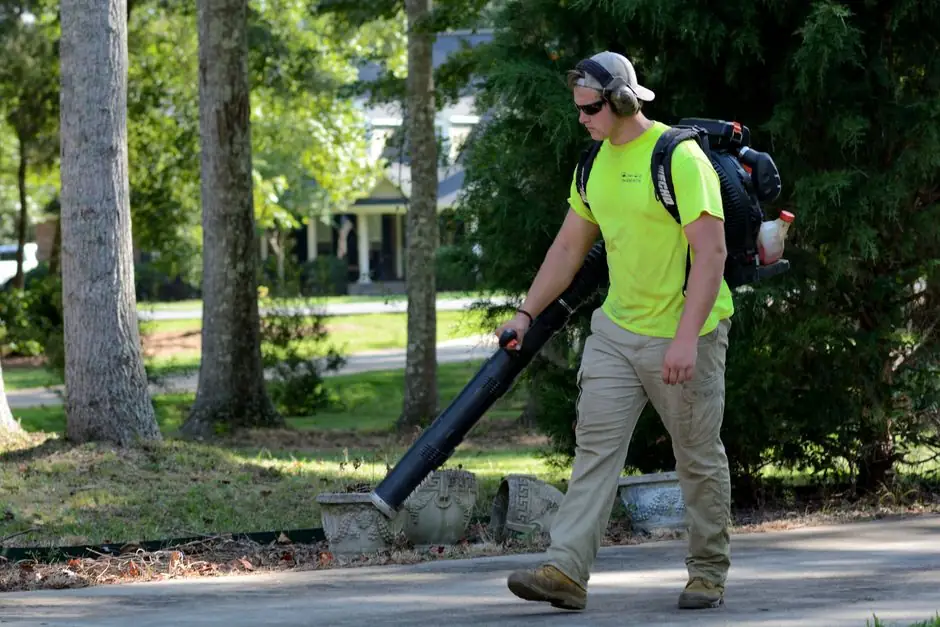
A landscaper wearing protective gear operates a leaf blower in a sunlit park, maintaining the area clean.
Licensed Licensed & Bonded
Fully Insured Insured & Bonded
24/7 Emergency Same-Day Response
Warranty Backed Workmanship Guaranteed

What Spring Cleanup Covers

Our standard spring cleanup covers the loose seasonal debris in the areas we agree on: lawn, beds, paths, and accessible fence lines. We gather and remove ordinary leaves, small fallen branches, dead plant material, and weeds. Major tree work, extensive brush clearing, mulch installation, and regulated pesticide applications are distinct tasks, not assumed parts of a basic cleanup. We review your priorities before the crew starts.

Lawn Debris Gathering

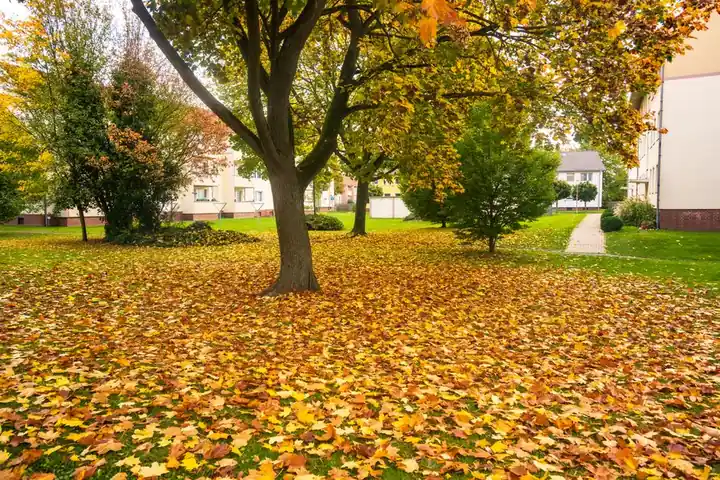
We rake or collect fallen leaves, small branches, and excess grass clippings from the agreed lawn areas. Debris is gathered before mowing season, with attention to shaded patches where leaves can mat down and hide the turf. We avoid rough handling when the ground is soft enough to rut.
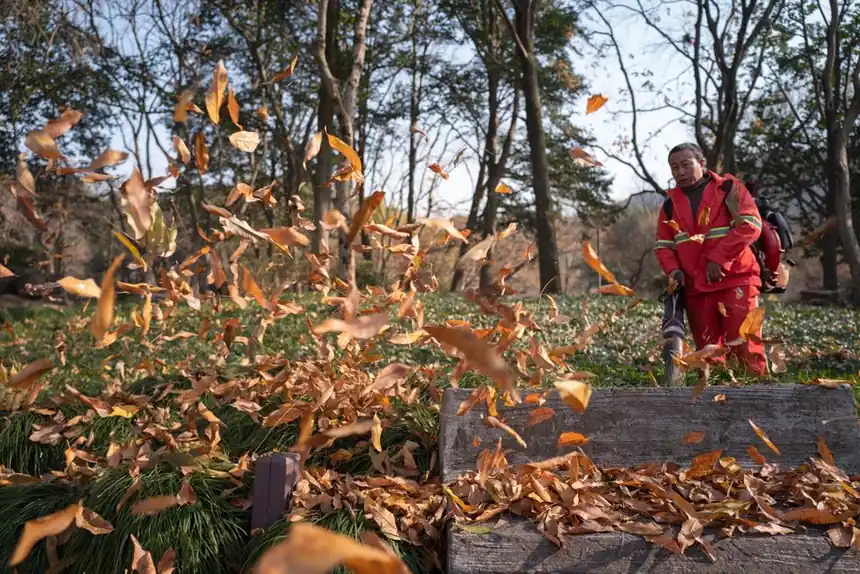
Garden Bed Clearing

We remove dead annual plants, loose weeds, pine needles, and garden bed debris around established plantings. The crew works carefully near plants you want to keep and leaves the bed surface visible for inspection. Mulch is not included unless you request that separate work.

Walkway and Edge Cleanup

We clear loose debris from accessible walkways, lawn borders, and the agreed fence-line areas. This includes wind-scattered yard waste and small fallen branches that obstruct normal access. The final pass checks the path and lawn edge so collected material is not left in a new pile.

Debris Collection

We consolidate and load the material removed during the cleanup, using yard waste bags or other practical collection methods. Compostable yard waste bags work for suitable light organic material. Disposal follows local yard waste and composting requirements, which can differ by locality.

Spring Yard Cleanup in Virginia: The Work


Spring Yard Cleanup in Virginia is a seasonal property cleanup that removes winter debris and prepares lawns and planting beds for active growth. We rake or collect fallen leaves, lift branches and limbs, clear dead annual plants and weeds, remove excess grass clippings, and tidy bed edges and walkways. Where the ground is soft, we avoid dragging heavy loads across turf; where debris is dry, a leaf blower can gather it efficiently before bagging. The result is a yard that drains, breathes, and is easier to mow and maintain.

Virginia's coastal humidity, Piedmont freeze-thaw cycles, and cooler mountain springs create different cleanup problems. Heavy leaf accumulation can smother shaded turf, while wind-scattered yard waste and storm debris collect against fences or in garden beds. We tailor Virginia spring yard cleanup to your lot, access, and debris volume, then route material under local yard waste disposal and composting requirements. If you need professional Spring Yard Cleanup in Virginia after winter, we can remove winter leaves and branches from a Virginia yard without leaving piles beside the curb.

What to Expect During Cleanup

Spring Yard Cleanup in Virginia follows a clear sequence: assess the property, agree on the work, clear debris, and check the finish. We keep you informed about access and any material that needs specialized handling. A straightforward residential yard often takes 2-5 hours; larger or heavily overgrown sites take longer.

01

Schedule

Call or book online — a real human picks up and confirms a 2-hour arrival window.

02

Diagnose

Licensed tech inspects on-site, then walks you through the cause and your options.

03

Fix

The job is completed to code and done right the first time — no shortcuts, no surprises.

04

Guarantee

Every job backed by a written workmanship warranty — and we stand behind it.

Tools and Cleanup Methods

Tools & Equipment

Leaf rake

We use a leaf rake to lift loose leaves from lawn and beds without scraping the soil. It is especially useful around established plants and in places where a blower could scatter debris into neighboring areas.

Bow rake

A bow rake gathers heavier loose debris and smooths small accumulations around bed edges. We use it with a light touch where roots or turf could be damaged, rather than dragging it across planted areas.

String trimmer

A string trimmer tidies overgrown grass at accessible edges after loose debris is removed. We keep trimming distinct from broad brush clearing and avoid cutting vegetation that the homeowner wants retained.

Loppers

Loppers cut manageable fallen branches into lengths that are easier to gather and load. They are for accessible loose material, not overhead, attached, or hazardous limbs that need qualified tree work.

Toro lawn mower

A Toro lawn mower may be used only when mowing is part of the agreed work and the turf is ready. Cleanup comes first, so leaves and branches do not interfere with an even cut or create avoidable mower hazards.

Methods & Standards

Top-down debris sequence

We clear larger branches and visible obstructions first, then gather leaves and fine plant debris. This sequence reduces repeated handling and keeps smaller material from being scattered as heavier debris moves. The final sweep focuses on beds, lawn edges, and access paths.

Turf-protective collection

We check soil firmness before moving loads across the lawn. Where the ground is soft, we use a tarp or wheelbarrow route that limits repeated foot and wheel traffic. This helps avoid ruts while still moving debris to the collection point efficiently.

Plant-aware bed clearing

We work in sections and distinguish dead seasonal material from established plants before removing it. Hand tools provide control near stems and bed borders. If a plant is difficult to identify, we leave it in place and ask rather than treating uncertain growth as waste.

Local waste sorting

We collect leaves and plant matter separately from larger branches when local rules or the volume make sorting practical. Yard waste is handled according to local yard waste disposal and composting requirements. This avoids leaving mixed debris for you to sort after the crew finishes.

When Spring Cleanup Helps

01

Your first mowing is approaching, but leaves and branches still cover the lawn.

What we do: We gather the loose material across the agreed lawn, open the main mowing path, and clear debris around obstacles. If grass is already growing, we work around the turf rather than cutting it as part of cleanup. The service removes the pickup work that would otherwise interrupt your first mow.

→ You start mowing with fewer stops to collect debris and a clearer view of the lawn's condition. The edges and access paths are easier to maintain.

02

A winter storm left limbs across the yard and scattered leaves beside the house.

What we do: We separate manageable fallen branches from any attached or hazardous limbs, then clear accessible lawn and walkway debris. We gather the remaining leaves and route material for handling under local requirements. If the storm damage involves an unsafe tree, we identify the need for qualified tree work.

→ Walkways and usable lawn areas are reopened, and the remaining hazard is clearly distinguished from routine cleanup instead of being overlooked.

03

You are preparing planting beds but cannot see the perennials beneath old stems.

What we do: We remove dead annual plants, weeds, pine needles, and loose debris while preserving marked or visible established plants. A controlled bed-by-bed approach keeps material out of adjacent turf and lets you inspect the soil surface before planting or adding mulch.

→ Beds are easier to evaluate, the retained plants are visible, and your next planting task begins without first sorting through a layer of winter debris.

04

A rental property or home is changing hands and the outdoor areas need a reset.

What we do: We focus on the visible areas that shape the first impression: entry paths, lawn edges, front beds, and accessible fence lines. We remove loose seasonal waste and gather material from the agreed locations, leaving major landscaping changes for a separate plan.

→ The yard looks maintained and usable for a showing, move-in, or regular care visit, with debris removed rather than shifted to a less visible corner.

How Virginia Spring Cleanup Varies

Virginia spring cleanup changes with elevation, soil, tree cover, and weather. Coastal properties can face humid, wet leaf mats and salt-seasoned windblown debris, while Piedmont clay can stay soft after repeated rain and freeze-thaw cycles. Mountain locations may hold winter conditions longer, so a cleanup scheduled too early can leave wheel ruts in damp turf. Our springtime yard waste removal in Virginia begins with a site check for access and ground firmness, then we set a sequence that protects the lawn and beds. In denser northern communities, narrow gates, shared access, and roadway proximity affect how we stage bags and equipment; Virginia Department of Transportation work-zone requirements apply when work affects a roadway or public right-of-way. Large properties may also produce different volumes of leaves and brush than compact residential lots. We follow local yard waste handling requirements and keep routine cleanup separate from hazardous limb work. The goal is the same statewide: clear debris without creating new damage.

Neighborhoods We Serve

  • Virginia Beach neighborhoods

    Coastal wind can push leaves and light debris into fence corners and planting beds. We check those collection points while clearing paths and accessible lawn areas.

  • Reston residential areas

    Wooded lots can produce heavy leaf layers and scattered branches. We work around established plantings and choose routes that limit disturbance to lawn edges.

  • Lynchburg hillside properties

    Slopes change how debris is carried and where it collects. We clear access routes first and avoid moving heavy loads across soft, uneven turf.

  • Lake Monticello homes

    Properties with wooded edges can collect leaves and brush beyond the main lawn. We define the cleanup boundary so lawn, beds, and accessible edges are handled consistently.

Local Conditions We Plan For

  • Wet spring soils soften after repeated rain and freeze-thaw cycles

    Wheel traffic can leave ruts or compact turf when the ground is saturated. We check firmness before moving loads and adjust the route, use lighter trips, or avoid crossing soft areas during the cleanup.

  • Coastal winds push leaves and small branches into enclosed edges

    Debris often collects against fences, shrubs, and house-side planting beds rather than staying in open lawn. We include these pockets in the agreed work so the yard is not left with a clean center and packed edges.

  • Mountain elevation delays ground drying and early growth

    A yard can remain damp after lower-elevation properties are ready for cleanup. We prioritize firm access and careful handling; delaying heavy movement until the surface supports it protects turf and reduces muddy tracking.

Leaf-Matted Shaded Lawn

Before

A shaded lawn held a wet layer of leaves about 2 inches deep, with small branches scattered beneath mature trees. The homeowner could not see whether the grass was thinning, and the first mowing would have pushed debris into the mower path. Leaves were also packed against the bed edge and walkway.

After

We collected the leaf layer, gathered the branches, and cleared the walkway and bed border. The lawn surface was visible across the cleaned area, and the main mowing route was open. No debris piles remained at the edge, so the homeowner could inspect the turf and decide whether it needed follow-up care.

Maintenance: During heavy leaf drop, clear the lawn every 1-2 weeks rather than letting another thick layer mat down. Keep the walkway edge open and remove small branches after storms before they become hidden under leaves.

Before

Several beds contained dead annual stems, weeds, pine needles, and old leaves mixed around established plants. The homeowner could not distinguish new growth from last season's material, and debris had spilled onto the lawn. Preparing for planting meant sorting each bed by hand.

After

We cleared the agreed beds in sections, removed dead material and loose weeds, and gathered debris before it spread farther into the lawn. Established plants were left in place, and the bed surfaces became visible for inspection. The cleaned areas were ready for planned planting or a separate mulch application.

Maintenance: Check beds every 2-3 weeks during active spring growth and pull small weeds before they seed. Keep a clear border between the bed and lawn so grass does not creep into planting areas.

Before

A storm left 12 visible branches across a lawn and blocked the path to a side gate. Leaves and smaller twigs had gathered around the fence, making it difficult to reach the back of the property. The homeowner needed access restored before routine yard work could begin.

After

We gathered the accessible fallen branches, cleared the side path, and collected loose leaves along the fence. The gate was usable and the lawn was easier to inspect. Any material requiring hazardous tree work was kept separate from the routine debris rather than cut without appropriate qualifications.

Maintenance: After a wind event, walk the accessible lawn and paths once conditions are safe. Remove loose branches promptly, but do not handle limbs that remain attached, suspended, or under tension.

Solve Common Post-Winter Yard Problems

A winter yard can look messy for several different reasons, and each needs a deliberate cleanup rather than another pile pushed to the edge. We remove the material causing the immediate problem, protect plants and turf where practical, and leave the area ready for normal maintenance.

Problem

Heavy leaf accumulation smothers shaded turf and hides bare patches

Wet leaves mat into a dense layer that blocks light and holds moisture. You may miss thinning grass or standing water until mowing exposes the damage.

Our Fix

We lift and gather the leaf layer with rakes or a leaf blower suited to the site, then check the surface for trapped debris. We avoid scraping the turf bare and move collected material off the lawn. Once the area is clear, you can see whether it needs overseeding, drainage work, or simply regular mowing.

Problem

Fallen branches and storm debris block lawns and walkways

Loose limbs create trip hazards and make it harder to reach a gate, patio, or lawn. Larger unstable material can require specialist tree attention.

Our Fix

We collect accessible fallen branches and clear the agreed paths and lawn areas. The crew separates ordinary debris from limbs that remain attached, suspended, or hazardous, because those are not routine pickup. For applicable tree work, the relevant ISA Certified Arborist credential supports assessment and safe next steps.

Problem

Neglected beds fill with weeds, dead stems, and pine needles

New growth becomes difficult to identify, and debris can spill into the lawn or cover bed edging. Planting and mulch work then start with more clearing.

Our Fix

We remove dead annual plants, weeds, and loose bed material while working around established plants you want preserved. Hand tools and a tarp help contain debris without scattering it into the lawn. The cleared bed is easier to inspect and ready for your planned planting or mulch application.

Problem

Brush buildup along fences traps windblown yard waste

Leaves and small branches collect in tight gaps, making fence access difficult and leaving a visible strip of unmanaged debris around the property.

Our Fix

We clear accessible loose material along the agreed fence line and gather manageable brush for removal. If woody vegetation has become extensive, we identify brush clearing as a separate task so the work is properly planned. Clearing the edge restores access for fence inspection and routine trimming.

A Cleaner Start to Spring

A Cleaner Start to Spring

Spring cleanup gives you a visible reset and a practical starting point for lawn care. We clear the material that blocks sunlight, hides damaged areas, and makes mowing difficult, then leave usable beds and access routes ready for the next task.

  • Uncover Living Turf

    Packed leaves and excess grass clippings hold moisture against the lawn and shade emerging growth. We lift debris without scalping the turf, then identify bare or compacted patches you may want to address later. Clearing even a 1-inch layer from a small shaded area improves visibility for mowing and helps you spot standing water before it becomes a recurring problem.

  • Open Garden Beds

    We remove dead annual plants, weeds, pine needles, and garden bed debris so emerging perennials are easier to see and maintain. A bow rake or hand tools let us work around established plants instead of pulling through them. Your beds finish defined and ready for a fresh mulch layer, with debris collected rather than pushed into lawn edges.

  • Clear Safer Walkways

    Fallen branches and storm debris can obstruct paths, driveway edges, and lawn access. We cut and gather manageable material, keeping walkways clear and checking the work area for sharp or unstable pieces. Hazardous limbs that require tree work are handled with the appropriate qualified support, including an ISA Certified Arborist credential for applicable tree work.

  • Simplify Mowing

    Brush buildup along fences and windblown debris around the yard make the first mowing slower and less even. Our spring lawn debris clearing in Virginia removes loose material before you bring out the mower. You get open turning areas, cleaner lawn edges, and fewer obstacles to stop and pick up during routine maintenance.

Safety and Work Standards

Licensed & Certified

  • ISA Certified Arborist credential for applicable tree work — issued by International Society of Arboriculture
  • OSHA safety training for applicable crew tasks — issued by Occupational Safety and Health Administration
  • Virginia pesticide applicator certification when applying regulated pesticides — issued by Virginia Department of Agriculture and Consumer Services
  • Virginia Department of Transportation work-zone requirements when applicable — issued by Virginia Department of Transportation

Verified Reviews

Customer feedback N/A

The crew cleared the leaves from our lawn and garden beds without leaving a heap beside the driveway. They also picked up the small branches along the walkway and checked the gate area before finishing. The yard was ready for mowing, and the crew explained which larger limb needed separate tree attention.

Customer feedback N/A

Our spring cleanup focused on the beds and the shaded strip under the trees. The crew worked around the plants we wanted to keep, gathered the old stems and pine needles, and left the edges easy to see. We could start planting without doing another round of debris removal first.

Customer feedback N/A

After a windy week, leaves and branches had collected all along the fence. The team cleared the accessible debris, reopened the side path, and handled the material instead of shifting it to the back corner. The lawn looked cleaner and the gate was usable again.

Field Knowledge That Shows

Our local experience comes from working with the conditions that shape Virginia yards: wet coastal soils, leaf-heavy wooded lots, clay that holds water, and mountain properties with steep grades. We match the tool and work sequence to the site instead of applying one cleanup pattern everywhere. Crew tasks follow OSHA safety training where applicable, and regulated pesticide applications require Virginia pesticide applicator certification. We focus the service on cleanup; we do not treat pesticide application as a default part of the visit.

  • We assess slope, soil softness, access width, and debris volume before choosing how to move material across your lawn.
  • For applicable tree work, we use the ISA Certified Arborist credential as the relevant qualification for assessment and support.
  • OSHA safety training guides applicable crew tasks around cutting tools, lifting, loading, and work-zone hazards.
  • We follow local yard waste disposal and composting requirements rather than assuming every locality accepts the same material.
  • Virginia Department of Transportation work-zone requirements apply when a job affects a roadway or public right-of-way.
Get Started Today
Field Knowledge That Shows

Cities We Serve Across Virginia

Our statewide spring cleanup coverage spans coastal neighborhoods, central communities, northern residential areas, and mountain towns. Virginia spring garden and lawn debris removal is planned around local soil, tree cover, access, and waste-handling requirements, not a uniform route. We schedule work by region and tailor each property visit to its debris and layout. The cities below represent service locations across Virginia, with cleanup focused on practical results for each yard.

Virginia Beach

Coastal winds can pack leaves and small branches against fences and beds. We clear those pockets along with agreed lawn and walkway areas.

Lynchburg

On sloped lots, we plan debris routes to limit repeated carrying across uneven turf and clear steps and access paths first.

Reston

Wooded residential lots often have heavy leaf layers and scattered twigs. We clear lawn and beds while working around established plantings.

Linton Hall

We handle spring debris across open lawn areas, bed edges, and accessible fence lines, adapting collection to the property's layout.

Short Pump

For residential yards with defined lawns and planting beds, we remove leaves and dead seasonal growth before routine mowing and planting.

Bailey's Crossroads

Compact access and shared edges can shape where material is gathered. We keep paths clear and plan collection around the available work area.

Rose Hill

We clear winter leaves, branches, and garden bed debris from agreed areas, with attention to paths and lawn borders that need regular use.

Kingstowne

Our cleanup focuses on residential lawns, planted borders, and access routes, gathering seasonal debris without pushing it into adjacent beds.

Bull Run

Properties with wooded edges can collect leaves and brush beyond the main lawn. We define the cleanup area and remove accessible debris systematically.

Great Falls

Larger, tree-covered yards can produce substantial leaf and branch volume. We plan collection around access, slope, and the areas you prioritize.

Forest

We clear seasonal debris from lawns and planting beds, taking care on uneven ground and gathering branches that obstruct routine yard access.

Newington Forest

Tree cover can leave leaves packed around beds and lawn edges. We clear those areas and check accessible paths for smaller storm debris.

Lake Monticello

Wooded edges and open lawn areas can produce different debris loads. We tailor the cleanup boundary and collection plan to the individual property.

Countryside

We remove winter leaves, dead plant material, and loose branches from the agreed lawn and bed areas, leaving access paths clear for spring use.

Pulaski

Cooler spring conditions can keep soil damp longer. We check ground firmness and choose a route that limits damage while clearing leaves and branches.

Spring Yard Cleanup Questions

Real answers to the questions we hear most often from local homeowners and property managers.

What does Spring Yard Cleanup in Virginia include?
Spring Yard Cleanup in Virginia includes collecting leaves, branches, and loose winter debris from agreed lawn, bed, and walkway areas. We can also remove dead annual plants, weeds, and excess grass clippings, then gather the waste for handling under local rules. Mulch installation, major brush clearing, and hazardous tree work are separate tasks when needed. A walk-through establishes which areas you want cleared and how much material the crew will remove.
When should I schedule spring yard clean-up in Virginia?
Schedule spring yard clean-up when daytime temperatures are regularly above 40°F and the ground is firm enough to walk without rutting. In Virginia, timing varies by elevation and weather: coastal yards often dry earlier than mountain properties. We can work around a late frost, but waiting until soggy soil firms up helps protect turf. Many homeowners book after the last heavy leaf and branch drop, before regular mowing begins.
How much does a spring yard cleanup service cost in Virginia?
A residential spring cleanup commonly costs $180-$850 in 2026, with final price based on yard size, debris volume, access, and add-on work. A small, lightly littered lot costs less than a wooded property with several hours of bagging and brush removal. We give upfront pricing after reviewing the work area. The range covers routine cleanup, not major tree removal, extensive hauling, or regulated pesticide treatment.
Can a Virginia spring cleanup crew remove branches and leaves?
Yes, our crew removes ordinary fallen leaves and manageable branches from the agreed lawn, bed, and walkway areas. Branches and limbs that are unstable, suspended, or attached to a hazardous tree need qualified tree work rather than routine yard cleanup. We collect loose material, bag suitable leaves, and handle larger debris according to local disposal requirements. Tell us about blocked paths or storm piles during the walk-through so we can plan the work.

Related Yard Cleanup Services

Fall Yard Cleanup

A fall visit removes leaves and plant debris before winter weather packs them into beds and lawn edges. Pair it with spring cleanup to reduce the amount of material that accumulates over the dormant season and keep paths clearer between major seasonal changes.

View Fall Yard Cleanup

One-Time Yard Cleanup

If your property needs a single reset rather than a seasonal schedule, one-time cleanup focuses on the specific areas you select. We can combine leaf gathering, bed clearing, and light brush removal into one visit, with the task list set during the property walk-through.

View One-Time Yard Cleanup

Leaf Removal

Leaf removal targets heavy accumulation that shades turf, blocks drains, or fills planting beds. It works well as a focused service when branches and weeds are already under control, or as part of a broader spring cleanup when the whole yard needs attention.

View Leaf Removal

Yard Debris Removal

Yard debris removal handles collected leaves, plant matter, and loose branches after the cleanup work is done. We gather and load the material so you are not left with bags or piles taking up driveway space, while following local disposal and composting requirements.

View Yard Debris Removal

Storm Debris Cleanup

Storm debris cleanup addresses windblown limbs, scattered branches, and debris spread across lawns and paths. It can follow spring cleanup when a storm creates a new mess, while dangerous hanging limbs are directed to applicable qualified tree work rather than handled as routine pickup.

View Storm Debris Cleanup

Brush Clearing

Brush clearing reduces woody vegetation and accumulated growth along fence lines, lot edges, and neglected corners. It is a stronger treatment than ordinary spring bed cleanup and helps open access before the remaining leaves and lawn debris are gathered.

View Brush Clearing

Book Spring Yard Cleanup in Virginia

Get your lawn, beds, and walkways cleared before regular mowing and planting begin. Our crew follows local disposal requirements and gives upfront pricing for the agreed work. Call Virginia Yard Cleanup Pros at +15402966598 to plan your spring cleanup.

Call Today Plan Cleanup

Contact Our Cleanup Crew

Tell Virginia Yard Cleanup Pros what is happening in your yard and which areas matter most. Call +15402966598 to discuss leaf buildup, storm debris, or an overgrown property; our team answers during weekday business hours and responds to messages as soon as the office reopens. Share your community and a brief description, and we will help plan the next step.

Or call us right now at +15402966598 — we answer.

Virginia Yard Cleanup Pros


  • Phone

    +15402966598
  • Address

    Virginia

  • Hours

    Mon–Fri: 7AM – 7PM
    Sat: 8AM – 4PM
    Sun: Emergency Only
    24/7 Emergency Available

Call +15402966598 Get Quote
Call Quote