
Logo
Get Estimate

Brush Clearing in Virginia for Usable Yards

Remove tangled growth and reclaim outdoor space


Brush Clearing in Virginia gives homeowners and property managers a practical way to reclaim fence lines, neglected corners, and overgrown yard edges. Our Virginia brush clearing service cuts back brush and woody vegetation, gathers the debris, and leaves the cleared area easier to inspect and maintain. October is a good time to address growth before winter weather weighs down branches and scatters yard waste across lawns and walkways.

A snow tractor equipped for urban street cleaning clears a snowy path in the city.
Licensed Licensed & Bonded
Fully Insured Insured & Bonded
24/7 Emergency Same-Day Response
Warranty Backed Workmanship Guaranteed

What Brush Clearing Includes

Our Brush Clearing service covers unwanted low vegetation in the defined work area: cutting, gathering, and leaving a clear finish according to your debris plan. We protect plants you identify for retention and keep the cut line practical for the yard. Large-tree removal, grading, stump work, and regulated pesticide application are not routine brush-clearing tasks; those require separate planning and, where applicable, specific credentials.

Defined Area Assessment

We walk the site with you, identify the brush to remove, and mark what should stay. We check gates, paths, slopes, and nearby planting beds before starting. This prevents a small clearing request from spreading into a larger area and helps us choose tools that fit the access.

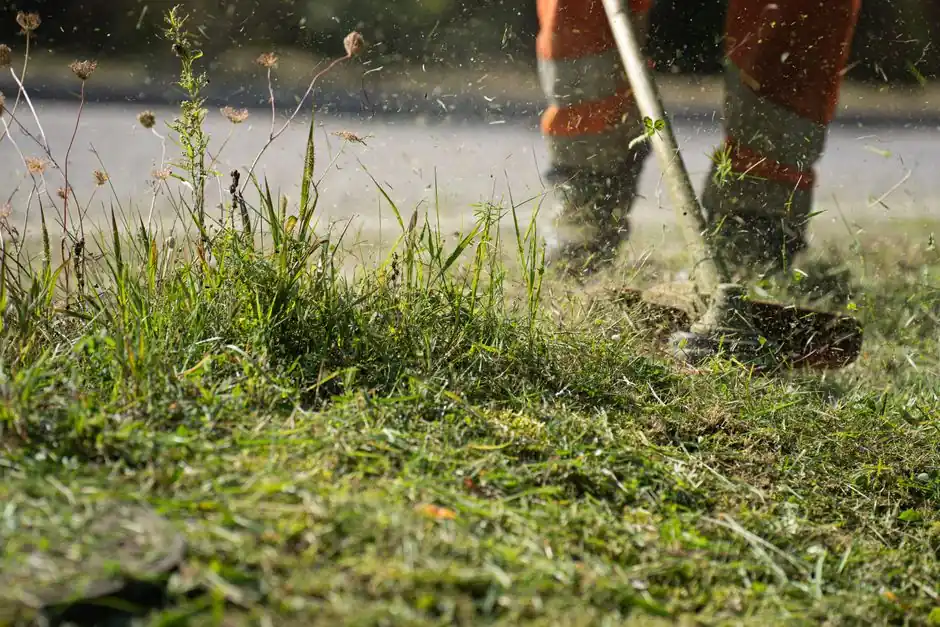
Cutting Unwanted Growth

We cut back weeds, young woody stems, and tangled brush to the agreed boundary. The method depends on stem size and proximity to structures; hand tools work well in tight beds, while powered equipment suits accessible dense patches. We avoid cutting retained shrubs or established plants you have identified.

Gathering and Sorting

We rake and gather cut vegetation into manageable bundles or loads, separating loose leaves and branches where useful. If you want compostable yard waste bags used for light material, we can prepare that portion for collection. Dense woody brush is handled according to the agreed hauling plan.

Finish and Debris Handoff

We clear the work area of loose cuttings and review the result with you. Hauling can be included, or we can stage material for local pickup as arranged. You will know what has been removed, what remains outside the boundary, and how to keep new growth from quickly taking over.

Brush Clearing in Virginia: What It Covers


Brush Clearing in Virginia is a vegetation management service that removes unwanted brush, weeds, and low woody growth from yards and other maintained outdoor areas. We identify the material to keep, cut back growth with hand tools or powered equipment suited to the site, and collect the cuttings for hauling or disposal. The work can open a narrow fence corridor, clear a planting bed, or reclaim a section of lawn; it is not the same as removing large trees or grading land. We protect useful plants and keep the cut line within the agreed area.

Virginia properties face different brush problems, from damp, shaded growth near wooded lots to fast summer regrowth along sunny boundaries. Brush buildup along fences can hide damage, while overgrown weeds and vegetation may spill into paths or smother turf. Our brush removal services in Virginia focus on practical residential work, including clear overgrown brush along a fence in Virginia without disturbing nearby plantings. We also sort fallen leaves, branches and limbs, and garden bed debris so you know what is being cleared and what remains.

How the Clearing Works

Brush clearing follows a clear sequence: define the area, protect what stays, cut growth, collect debris, and check the finish. You know what the crew is doing at each stage, and we keep the work focused on the agreed property areas rather than clearing indiscriminately.

01

Schedule

Call or book online — a real human picks up and confirms a 2-hour arrival window.

02

Diagnose

Licensed tech inspects on-site, then walks you through the cause and your options.

03

Fix

The job is completed to code and done right the first time — no shortcuts, no surprises.

04

Guarantee

Every job backed by a written workmanship warranty — and we stand behind it.

Tools and Clearing Methods

Tools & Equipment

Loppers

We use loppers for individual woody stems that are too thick for hand pruners but still manageable without powered cutting. They provide controlled cuts near fences, beds, and retained shrubs.

String trimmer

A string trimmer cuts lighter weeds and soft growth along accessible edges. We keep it away from young trees, delicate bark, and exposed landscape features to avoid unnecessary damage.

Bow rake

We use a bow rake to gather cut stems, loose weeds, and garden debris into manageable piles. Its rigid tines help move heavier material without sweeping it into retained beds.

Husqvarna

Husqvarna equipment is selected for appropriate powered cutting tasks in accessible areas. We match the tool to vegetation density and site access, rather than using powered equipment where hand work offers better control.

Tarp

A tarp helps collect and move loose leaves and smaller cuttings across a lawn without scattering them. We use it to keep debris contained during gathering and transport to the agreed staging or loading point.

Methods & Standards

Boundary-first clearing

We establish the property-side work limit before cutting and follow it through the job. Starting with the boundary keeps the cleared line consistent and reduces accidental encroachment into neighboring space or retained planting. You can see the intended result before the crew moves into denser growth.

Sectional cutting

We clear dense patches in manageable sections rather than cutting everything at once. This keeps visibility on the ground, makes it easier to separate useful plants from unwanted stems, and prevents debris from burying paths or beds. The approach is especially helpful around fences, gates, and narrow side yards.

Debris sorting and staging

We separate loose leaves and small cuttings from heavier woody brush when doing so improves collection or hauling. Material is staged away from access routes and prepared for removal or local pickup. We follow local yard waste disposal and composting requirements relevant to the disposal plan.

Hazard-aware work

Before cutting, we check for unstable limbs, hidden obstacles, and nearby walkways. Applicable crew tasks follow OSHA safety training, and tree-specific hazards are treated as a separate category requiring appropriate assessment. This prevents ordinary brush work from becoming an unsafe attempt at tree removal.

When Brush Clearing Helps

01

A fence line has young woody growth that blocks access to a gate and covers the lower panels.

What we do: We walk the boundary with you, mark plants to keep, and cut back growth in manageable sections. We gather the cut brush and clear the gate approach, then check that the fence remains accessible for inspection. If the growth includes a hazardous tree limb, we separate that from routine brush work.

→ You regain a clear path to the gate and can see the fence line, making routine checks and mowing easier.

02

A shaded side yard has become a mix of weeds, low brush, and branches after repeated storms.

What we do: We separate standing vegetation from fallen material, clear the agreed side-yard area, and remove debris from the route to doors or storage. We use controlled cutting near the house and preserve plants you identify. Larger limbs are assessed for appropriate tree work rather than cut as ordinary brush.

→ The side yard becomes walkable again, with fewer hidden snags and a cleaner route for moving bins or equipment.

03

A vacant or newly purchased property has overgrowth around beds and lawn edges.

What we do: We identify the intended lawn and planting boundaries, cut unwanted brush, and collect loose debris before it gets mixed into mowing areas. The crew can coordinate with garden bed cleanup or a one-time yard visit if the property has several neglected sections.

→ You start with visible boundaries and accessible beds, giving future mowing and planting work a clean baseline.

04

October storms have left scattered branches and dense edge growth before winter.

What we do: We clear accessible brush and storm debris from priority paths and boundary areas, then plan hauling or local collection for the material. We check for limbs obstructing lawns or walkways and distinguish them from low brush. The work focuses first on access and safe movement around the property.

→ Before winter weather, you have clearer paths and fewer loose branches or tangled stems waiting to scatter again.

How Clearing Works Across Virginia

Brush Clearing in Virginia changes with rainfall, elevation, lot size, and access. In warmer coastal and central areas, a long growing season can bring repeated weed and vine growth along fences; cooler mountain locations often need a careful check for storm-felled branches and steep ground. October is a useful window to remove overgrowth before winter weather, while spring clearing helps expose new shoots before they thicken. Our brush and scrub cleanup Virginia work begins with the property itself: narrow gates, close-set homes, wooded edges, and drainage routes all affect the method. On compact residential lots, we favor controlled hand work near beds and structures. Larger accessible areas can be cleared in sections with powered equipment. We collect debris according to the agreed plan and local yard waste disposal and composting requirements. If you want to book a brush and scrub cleanup service in Virginia, tell us which area is blocked, what must stay, and whether you need hauling. Local work-zone requirements apply when the job is near a roadway.

Neighborhoods We Serve

  • Burke

    Mature residential lots can have brush mixed with established shrubs and narrow side access. We confirm what stays, then clear fence edges and paths without widening the work beyond the marked area.

  • Hybla Valley

    For yards with dense boundary growth, we focus on access around gates, walkways, and planting edges. We gather cut material before it can spread across nearby lawn or pavement.

  • Difficult Run

    Uneven ground and wooded edges call for sectional cutting and careful debris staging. We keep material out of drainage routes and leave a visible transition between cleared ground and retained vegetation.

  • Gloucester Point

    Coastal weather can scatter leaves and branches into low yard corners. We clear accessible brush first, then collect loose debris from the newly opened area and arrange the agreed disposal method.

Local Conditions We Plan For

  • Wet ground after heavy rain or prolonged damp weather

    Soft soil increases the risk of ruts from equipment and makes slopes slippery. We adjust the work method and staging location to protect the lawn, using hand tools where powered equipment would leave damage.

  • Long warm-season growth along sunny fence lines

    Fast regrowth can cover the cleared edge within a few weeks during active growing periods. We cut to an accessible boundary and explain how a 4 to 8 week check can catch shoots before they become dense again.

  • Storm branches mixed with standing brush

    Fallen material may hide unstable limbs or sharp broken ends. We clear ordinary debris from safe access areas and identify tree-specific hazards for appropriately qualified work instead of treating every limb as routine brush.

Fence Line Reopened

Before

A narrow backyard fence strip had become packed with weeds and young woody stems. Growth reached through the gate and hid the lower fence panels, leaving no clear route for inspection. Loose leaves were trapped along the edge, and the homeowner could not mow close to the boundary without snagging the equipment.

After

We cleared a 4-foot corridor along the agreed section, cut growth away from the gate, and gathered the loose brush and leaves. The homeowner could walk the fence line and open the gate freely. The cleared edge also gave the lawn mower a defined stopping point without cutting into retained shrubs.

Maintenance: Check the fence edge every 4 to 8 weeks during active growth. Pull small shoots while they are easy to reach, keep leaves from collecting against panels, and call for another clearing visit if woody stems begin blocking the gate.

Before

A shaded side yard had become a tangle of weeds, low brush, and fallen branches between the house and a storage shed. The route was difficult to walk, and loose material covered the ground. The homeowner could not reach the shed without stepping over stems and scattered debris.

After

We cleared the accessible growth along the 25-foot route, gathered cuttings on a tarp, and removed the agreed debris load. The walkway became passable from the house to the shed, with retained plants left in place. We identified one larger limb for separate tree-specific attention rather than cutting it as brush.

Maintenance: Keep the route open by removing new shoots and fallen branches as they appear. A quick monthly walk-through during spring and summer helps catch growth before it narrows the passage again.

Before

A rear corner beside a planting bed had been left unattended through several growing seasons. Dense stems trapped leaves and garden bed debris, while weeds spread into the edge of the lawn. The homeowner wanted the corner opened without removing the shrubs planted along the bed.

After

We cleared the unwanted brush from a roughly 120-square-foot area, preserved the marked shrubs, and removed the trapped leaves and loose cuttings. The lawn edge and bed boundary became visible, and the homeowner could reach the corner to maintain it. The work took about half a day, including debris gathering.

Maintenance: Rake fallen leaves from the corner in autumn and trim new shoots before they set into a dense patch. Keep a clear 12-inch inspection strip around the bed edge so weeds are easier to spot and remove.

Clear Overgrown Brush and Reclaim Space

Unchecked brush makes yards harder to walk, inspect, and maintain. It can conceal fence damage, crowd lawn edges, and collect leaves and branches after wind or storms. We target the affected strip or section, remove the unwanted growth, and gather debris so you regain access without clearing healthy landscape features.

Problem

Brush buildup blocks a gate and hides fence damage.

You cannot inspect loose posts or open the gate freely, and stems can continue pressing against the fence as they thicken.

Our Fix

We clear a workable corridor along the fence, cut stems back from the gate, and gather the debris. Before we start, you identify plants to retain and the width you need for access. The finished strip makes it easier to inspect panels and spot new growth before it becomes tangled again.

Problem

Overgrown weeds shade turf and creep into planting beds.

Shaded turf weakens, weeds spread into garden edges, and routine mowing becomes difficult because growth is mixed with woody stems.

Our Fix

We separate brush from lawn and bed areas, cut unwanted vegetation, and collect the cuttings rather than mowing blindly through dense growth. For residential vegetation and yard brush removal in Virginia, we preserve selected plants and leave a clean edge that you can maintain with regular mowing or hand weeding.

Problem

Storm debris and brush obstruct a walkway.

Branches and tangled stems create trip hazards, block access to sheds, and make it difficult to move safely through the yard.

Our Fix

We clear accessible brush and fallen debris from the route, then identify any limb that requires tree-specific handling. We keep the walkway usable during the work and remove or stage the collected material according to your debris plan. The result is a passable route and fewer hidden snags.

Problem

Neglected corners collect leaves and yard waste.

Heavy leaf accumulation can smother nearby grass, clog garden beds, and leave a damp, compacted layer that is difficult to rake through dense stems.

Our Fix

We cut back the brush first, then gather trapped leaves and loose yard waste from the newly accessible ground. A leaf rake and tarp help collect light material without dragging it through retained plants. You get an open corner that is simpler to inspect and clean during fall maintenance.

A Clearer, Safer Yard

A Clearer, Safer Yard

Brush clearing restores access and visibility where unmanaged growth has taken over. We define the work area, cut back unwanted vegetation, and gather the resulting debris so you can use the yard again. The result is a cleaner boundary, fewer hidden obstacles, and a manageable starting point for regular maintenance.

  • Reclaim Usable Ground

    Thick growth can take over a side yard or block access to a gate. We cut and remove the vegetation across the agreed area, often turning a narrow, unusable strip into a clear route you can walk and inspect. For example, a 4-foot-wide fence corridor becomes accessible without expanding the clearing into healthy lawn.

  • Improve Sight Lines

    Tall weeds and woody shoots obscure fence corners, utility access, and the edges of garden beds. We reduce overgrowth to a practical height and remove the cut material, helping you spot leaning panels, pest activity, or drainage issues sooner. We keep the clearing boundary visible rather than leaving a ragged fringe.

  • Reduce Yard Hazards

    Hidden branches, thorny stems, and storm debris create trip and snag hazards near walkways. Our crew separates brush from usable paths and removes obstructing material. We flag hazardous limbs that require tree-specific work rather than treating them as ordinary brush, so the right task receives the right equipment and training.

  • Simplify Seasonal Upkeep

    Once dense growth is gone, routine mowing and edging become easier. We can leave a clean transition line for a lawn mower and collect loose material in yard waste bags or haul it away as arranged. A follow-up check every 4 to 8 weeks during active growing weather helps catch new shoots before they spread.

Safety and Service Standards

Licensed & Certified

  • OSHA safety training for applicable crew tasks — issued by Occupational Safety and Health Administration
  • ISA Certified Arborist credential for applicable tree work — issued by International Society of Arboriculture
  • Virginia pesticide applicator certification when applying regulated pesticides — issued by Virginia Department of Agriculture and Consumer Services
  • Work-zone requirements when applicable — issued by Virginia Department of Transportation

Verified Reviews

Customer feedback N/A

A homeowner in Fredericksburg described a fence-line clearing that reopened a blocked gate and exposed the lower fence panels. The crew kept the marked shrubs, collected the cut brush, and left a walking route for inspection. The review highlighted the practical result: the homeowner could reach the full boundary and mow along a clean edge.

Customer feedback N/A

A Fairfax customer reported that a shaded side-yard corner had been difficult to maintain because weeds and woody growth surrounded the hose connection. The crew cleared the agreed area, preserved the bed, and removed the loose cuttings. The customer noted that the corner was accessible again without turning the job into a full yard renovation.

Customer feedback N/A

A Harrisonburg homeowner needed a walkway cleared after wind scattered branches through standing brush. The crew removed accessible debris, restored passage to a shed, and identified a larger limb for separate attention. The customer valued having the route reopened and knowing which material required work beyond ordinary brush clearing.

Field Judgment and Safe Work

Our local experience helps us distinguish routine brush from work that needs a different level of care. We assess access, slope, plantings, nearby structures, and the volume of cut material before choosing a method. Crew members follow OSHA safety training for applicable tasks, and we use an ISA Certified Arborist credential for applicable tree work rather than treating large or hazardous limbs as ordinary yard brush. When regulated pesticide application is requested, it requires the appropriate Virginia pesticide applicator certification. We focus on clear boundaries, controlled cutting, and a finished site you can maintain.

  • We separate brush cutting from tree removal and refer tree-specific hazards to work performed under applicable ISA Certified Arborist oversight.
  • Applicable crew tasks follow OSHA safety training, with site access and cutting zones reviewed before equipment starts.
  • We identify retained shrubs, garden edges, and fence lines before cutting so your useful plantings are not treated as waste.
  • When regulated pesticide application is part of a separate request, Virginia pesticide applicator certification is required.
  • We account for local yard waste disposal and composting requirements when planning how cut vegetation leaves your property.
Get Started Today
Field Judgment and Safe Work

Cities We Serve Across Virginia

Our Virginia brush clearing service covers communities across the state, from northern residential neighborhoods to western and coastal properties. We plan routes around the type of work and the site: tight access may call for hand clearing, while larger lots need sectional cutting and a debris plan. Whether you need a fence line opened, a shaded corner reclaimed, or storm debris gathered, tell us your city and the area that needs attention. We serve the following communities and nearby residential areas.

Fredericksburg

We clear fence corridors, overgrown corners, and storm-scattered brush, keeping access routes open and arranging debris handling for the size of your residential job.

Harrisonburg

Our crew addresses brush along lawn edges and wooded boundaries, using sectional work where slopes or dense growth make controlled cutting important.

Burke

We work carefully around established shrubs and compact residential access, clearing the agreed fence line or side yard without disturbing plants you want to keep.

Petersburg

We remove tangled weeds and low woody growth from neglected yard sections, gather the cuttings, and leave clear access for mowing or fence inspection.

Fairfax

For tightly arranged yards, we focus on precise boundaries near beds, paths, and fences, then collect brush so cleared space is ready to use.

West Springfield

We clear side-yard growth and blocked gate approaches, selecting hand tools where narrow access makes powered equipment impractical.

Sudley

We handle overgrown residential edges and scattered woody growth, staging debris away from walkways and leaving a defined transition to lawn.

Hybla Valley

Our service opens dense boundary areas and overgrown corners, with careful collection to keep cut vegetation from spreading across paths and lawn.

Vienna

We clear brush around compact yards, garden beds, and fence lines, protecting retained plantings and removing loose material according to your debris plan.

Martinsville

We clear brush on residential lots with mixed lawn and wooded edges, adapting the work to uneven ground and the amount of material to haul.

Fairfax Station

We use a boundary-first approach for larger wooded edges, clearing practical access strips while keeping retained vegetation and drainage routes in mind.

Gloucester Point

We clear coastal yard corners where brush, leaves, and branches collect, then gather debris to leave paths and lawn edges more accessible.

Difficult Run

We work in sections along wooded edges and uneven ground, keeping cuttings out of drainage routes and preserving the vegetation you identify.

Fort Lee

We clear residential brush from fence lines and overgrown lawn margins, keeping the work area defined and arranging collection or hauling for the debris.

Abingdon

We address brush around rural and residential yard edges, adjusting tools and staging for slopes, access, and the volume of cut woody growth.

Brush Clearing Questions and Answers

Real answers to the questions we hear most often from local homeowners and property managers.

What is included in Brush Clearing in Virginia?
Brush Clearing in Virginia includes cutting unwanted brush, weeds, and low woody growth in the agreed area, plus gathering cut material for the selected debris plan. We first identify plants and features to retain, then clear paths, fence lines, or overgrown corners. Hauling, large-tree work, grading, and regulated pesticide application are separate tasks when needed. A small residential area often takes 2 to 4 hours; dense growth or multiple sections take longer.
How much does brush removal cost in Virginia?
Small residential brush jobs often range from $180 to $450, while dense or multi-area clearing can run $450 to $1,200 or more in 2026. Price depends on square footage, stem thickness, slope, access, debris volume, and hauling distance. Our affordable brush removal and hauling in Virginia approach starts with matching the work to the actual site, so a light fence-line cleanup is not priced like a full-day clearing.
Can a Virginia brush clearing service haul away cut vegetation?
Yes, a Virginia brush clearing service can haul away cut vegetation when removal is included in the agreed job. We gather branches, weeds, and brush into manageable loads, then handle disposal according to local yard waste disposal and composting requirements. If you prefer municipal pickup, we can stage the material at the designated collection point. Tell us whether you want the area left fully clear or the cuttings prepared for pickup.
When should I hire a professional to clear yard brush?
Hire a brush-clearing crew when growth blocks access, hides fence damage, creates trip hazards, or is too dense for a safe weekend cleanup. October is a useful time to clear before winter storms, and spring growth often needs attention before it reaches paths or beds. Call for help sooner if fallen branches obstruct walkways or dense vegetation surrounds structures. Large limbs and tree hazards need tree-specific assessment, not routine brush cutting.

Related Yard Cleanup Services

Spring Yard Cleanup

After winter, we remove scattered branches, dead growth, and leftover leaf cover that can hide new brush shoots. Pairing spring cleanup with a focused clearing visit helps open beds and boundaries before active growth returns. We can leave the area ready for mowing or planting.

View Spring Yard Cleanup

Fall Yard Cleanup

Fall cleanup handles fallen leaves, annual plants, and seasonal debris around the areas opened by brush clearing. We can remove loose material from lawn edges and beds so it does not build into a wet, compacted layer over winter. October is a practical time to combine the work.

View Fall Yard Cleanup

One-Time Yard Cleanup

A one-time cleanup is useful when a property has several issues beyond brush, such as scattered debris, neglected beds, or heavy leaf accumulation. We can coordinate the clearing with those tasks in one visit and leave a cleaner baseline for ongoing maintenance.

View One-Time Yard Cleanup

Leaf Removal

Brush can trap fallen leaves against fences and in low corners. Leaf removal clears that loose material after the denser growth is cut back, helping prevent smothered turf and clogged garden beds. We gather leaves for hauling or prepare them for local collection.

View Leaf Removal

Yard Debris Removal

If your cleared area also contains branches and limbs, old yard waste bags, or wind-scattered yard waste, debris removal handles those materials separately from standing brush. We collect and remove the agreed debris so the area is ready for normal use.

View Yard Debris Removal

Storm Debris Cleanup

Storm debris cleanup addresses fallen branches, scattered vegetation, and obstructed walkways after severe weather. We separate ordinary brush from hazardous limbs that need tree-specific attention, then clear accessible debris and restore safe passage around your yard.

View Storm Debris Cleanup

Schedule Brush Clearing in Virginia

Reclaim your fence line, walkway, or overgrown yard corner with a clearly planned clearing visit. Our team follows applicable OSHA safety training for crew tasks. Call Virginia Yard Cleanup Pros and tell us what needs to be cleared.

Call Now Get Started

Contact Our Cleanup Crew

Tell Virginia Yard Cleanup Pros what is happening in your yard and which areas matter most. Call +15402966598 to discuss leaf buildup, storm debris, or an overgrown property; our team answers during weekday business hours and responds to messages as soon as the office reopens. Share your community and a brief description, and we will help plan the next step.

Or call us right now at +15402966598 — we answer.

Virginia Yard Cleanup Pros


  • Phone

    +15402966598
  • Address

    Virginia

  • Hours

    Mon–Fri: 7AM – 7PM
    Sat: 8AM – 4PM
    Sun: Emergency Only
    24/7 Emergency Available

Call +15402966598 Get Quote
Call Quote