Logo
Get Estimate

Branch and Limb Removal in Virginia, Cleared Safely

We haul fallen wood and reopen your yard for use.


Branch and Limb Removal in Virginia gets broken limbs, storm debris, and brush out of your way without leaving piles beside the fence. Our crew helps homeowners, landlords, and property managers facing blocked walkways, damaged lawn edges, or branches scattered across planting beds. We assess access and material size, separate manageable debris, and haul the load so you can use the yard again.

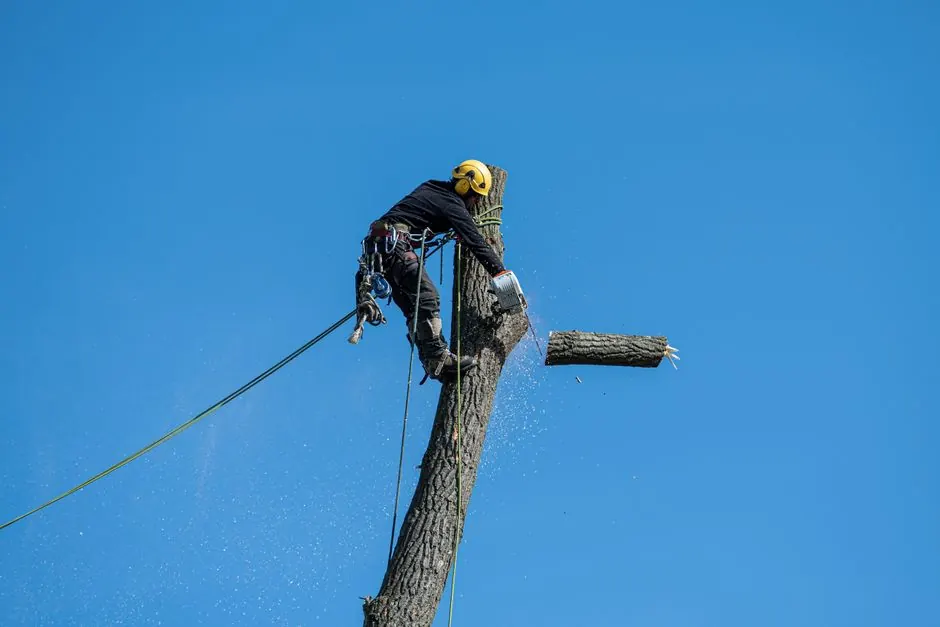
A skilled arborist wearing safety gear cuts a tree with a chainsaw against a clear blue sky.
Licensed Licensed & Bonded
Fully Insured Insured & Bonded
24/7 Emergency Same-Day Response
Warranty Backed Workmanship Guaranteed

What Branch and Limb Removal Includes

Branch and Limb Removal covers ground-level collection, practical sorting, loading, and hauling of agreed fallen or previously cut wood from accessible yard areas. We clear the specified lawn, beds, paths, and edges, then check for loose pieces. Attached or suspended branches, tree climbing, stump work, and hazardous tree removal are different services; we identify those conditions rather than treating them as ordinary debris.

Ground-Level Branch Gathering

We collect fallen branches and limbs from the agreed cleanup area, including scattered material across lawn edges, paths, and beds. The crew groups pieces for safe handling instead of pushing everything into one tangled pile. Small sticks and loose fragments are included in the final ground check.

Size Sorting and Safe Handling

We separate light brush from heavier wood and cut manageable pieces to a practical carrying length when suitable. Loppers and hand pruners handle small branches; heavier pieces are moved with a planned route. Suspended, unstable, or attached limbs are not treated as routine yard debris.

Loading and Hauling

Collected material is loaded and hauled away as part of the agreed cleanup. We use a wheelbarrow or tarp where the property layout allows, keeping branches together as they move from the yard to the vehicle. Local yard waste disposal and composting requirements guide final handling.

Cleanup Area Check

After loading, we inspect the specified work area for stray sticks around beds, fences, and walkways. We do not promise a leaf-free yard unless leaf removal is part of the work, but we clear loose branch fragments left by the collection process and show you the finished footprint.

Branch and Limb Removal in Virginia: What We Do


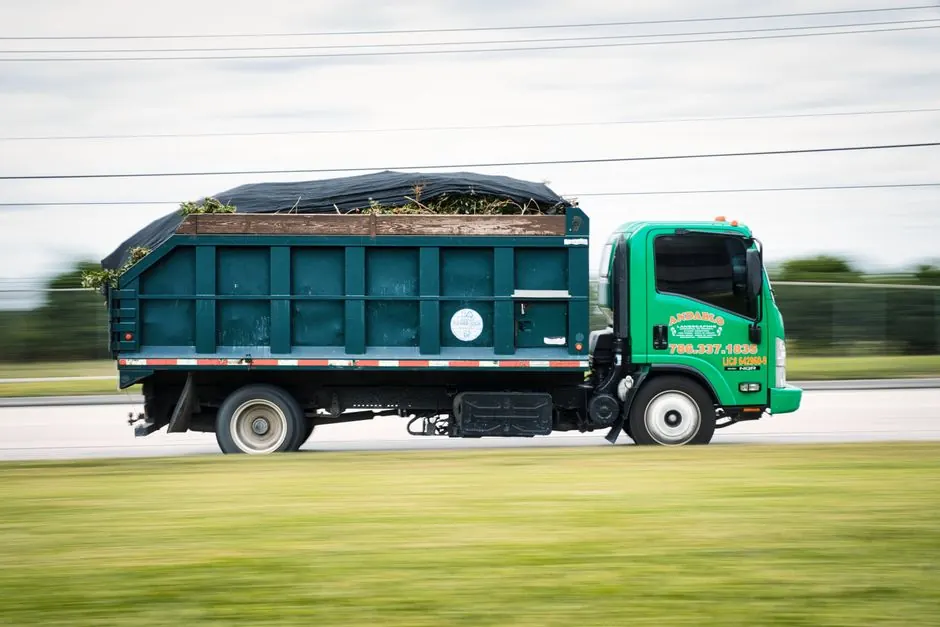
Branch and Limb Removal in Virginia is a yard debris clearing service that removes fallen or cut branches and limbs from lawns, beds, paths, and accessible outdoor areas. We gather loose material, cut suitable pieces down for handling, load the debris, and leave the work area clear of the collected wood. A leaf rake and tarp help protect turf while we move smaller pieces; heavier limbs require careful handling and a clear route to the truck. Tree climbing and removal of attached or unstable trees are separate tree-work tasks.

Across Virginia, wind, saturated ground, and seasonal storms leave limbs tangled in shrubs, across driveways, or lodged along fences. Our Virginia branch and limb removal service is for cleanup after branches are already down or safely cut, not a substitute for diagnosing a hazardous standing tree. If you need professional Branch and Limb Removal in Virginia for residential yards, we clear the debris, sort the load, and explain any access or safety limits before work starts.

What to Expect From Our Crew

Our process turns a scattered pile into a clear work area through five practical steps. We confirm what needs removing, plan the safest route, gather and load debris, then inspect the ground before leaving. Small cleanups may take about 1-2 hours; larger or access-limited jobs take longer based on volume and handling.

01

Schedule

Call or book online — a real human picks up and confirms a 2-hour arrival window.

02

Diagnose

Licensed tech inspects on-site, then walks you through the cause and your options.

03

Fix

The job is completed to code and done right the first time — no shortcuts, no surprises.

04

Guarantee

Every job backed by a written workmanship warranty — and we stand behind it.

Tools and Safe Work Methods

Tools & Equipment

Fiskars loppers

Loppers cut suitable small offshoots and branch ends into manageable pieces. We use them for ground-level material where hand cutting is safer and more controlled than powered equipment.

Pole saw

A pole saw is reserved for suitable, reachable work within safe limits. It is not used to pull down suspended limbs or replace qualified tree work around overhead hazards.

Tarp and wheelbarrow

A tarp contains loose sticks and brush while a wheelbarrow moves gathered material through accessible paths. Both help reduce repeated trips and keep debris from spreading across turf.

Husqvarna equipment

Husqvarna equipment may be used for appropriate cutting tasks when the material and work area allow. We select tools to match the branch size and safe ground conditions, not to force a cut on hazardous wood.

Methods & Standards

Ground-Debris Separation

We first distinguish fallen, accessible branches from attached, suspended, or unstable limbs. That simple boundary keeps yard cleanup focused and prevents unsafe pulling or cutting. If a tree hazard is present, we leave it for the appropriate arborist or tree crew rather than turning a debris job into an improvised removal.

Turf-Conscious Staging

We stage debris close to the source, group pieces by size, and use a tarp or wheelbarrow where access permits. This limits dragging across lawn and reduces loose sticks left behind. On wet or soft ground, we adjust the carry route to avoid creating ruts or compacting the same patch repeatedly.

Load and Disposal Sorting

We keep woody material together during loading and follow local yard waste disposal and composting requirements. Clean branches may be routed differently from mixed debris, so we separate brush from unrelated waste where practical. This helps maintain a secure load and keeps scattered material out of the roadway.

When Branch Cleanup Helps Most

01

A windstorm leaves branches across the front walk, lawn, and driveway before the next workday.

What we do: We gather accessible fallen limbs from the walking and vehicle routes, sort the small pieces from heavy wood, and load the debris for hauling. We also check the lawn edge for scattered sticks that are easy to miss while looking at the larger pile.

→ Your main routes are open and the debris is off the lawn, reducing trip hazards and making it easier to resume normal yard use.

02

A landlord needs a shared lawn cleared after routine pruning leaves a pile near the building.

What we do: We confirm which cut branches belong to the cleanup, keep the access route open for residents, and haul the material from the designated area. For a shared property, we work through the debris without blocking entrances longer than necessary.

→ The common lawn is usable again, with no branch stack left beside the walkway or building entrance.

03

A homeowner finds a fallen limb lodged in shrubs after a period of rain and gusty weather.

What we do: We remove the ground-level wood in sections, protecting nearby beds from unnecessary dragging. Once the limb is out, we gather loose branch pieces and inspect the affected area. Any hanging or attached wood is identified as tree work rather than pulled down during yard cleanup.

→ The shrubs and bed are visible again, and you can assess plant or fence damage without a branch pile covering the area.

How Branch Cleanup Works Across Virginia

Virginia weather changes the cleanup plan from region to region. Coastal wind and humid, wet spells can leave branches tangled in shrubs, while inland slopes and wooded lots create longer carry routes and heavier mixed debris. In October, falling leaves often hide small sticks beneath larger limbs; spring storms and summer downpours bring another round of scattered wood. Our storm-fallen limb cleanup in Virginia starts with access, ground conditions, and whether the material is truly down. We gather safe, accessible debris, use a tarp or wheelbarrow where it protects turf, and haul the agreed load. If you need residential branch debris pickup and disposal in Virginia, tell us whether the pile is behind a gate, beside a road, or spread across beds. Local yard waste rules and, where applicable, Virginia Department of Transportation work-zone requirements affect roadside handling. In established neighborhoods, narrow driveways and close-set homes call for controlled staging; on larger properties, distance and slope shape crew time. We do not pull limbs from power lines or cut unstable overhead wood.

Neighborhoods We Serve

  • Hampton

    Coastal wind can scatter smaller branches across open lawns and fence lines. We gather debris from the agreed area and keep the route to the vehicle clear.

  • Blacksburg

    Sloped yards and wooded edges can make fallen wood harder to carry. We plan the route first and group branches so loads stay manageable.

  • Danville

    Mixed residential lots may have branches lodged among beds and lawn edges. We separate wood from smaller yard debris before hauling.

Local Conditions We Plan For

  • Wet autumn leaves conceal small branches under larger storm debris.

    In October, a visible limb pile can hide sticks that later catch a mower or create a trip hazard. We check the cleared footprint and gather branch fragments, while full leaf removal remains a separate cleanup task.

  • Narrow gates and soft ground limit equipment access.

    A wheelbarrow may not fit through some side gates, and saturated turf can rut under repeated trips. We adjust the carry route, use hand carrying where needed, and plan time around the distance to the loading point.

Walkway Cleared After Wind

Before

A fallen limb crossed a front walkway, with smaller branches spread across roughly 20 feet of lawn edge. The broken ends narrowed the route, and wet leaves covered several short sticks. The homeowner could still pass by stepping onto the grass, but the path was awkward and the pile blocked routine yard access.

After

We moved the ground-level limb, gathered the loose branches, and hauled the debris in one load. The walkway was open again, and the affected lawn edge was checked for smaller pieces. The larger wood was removed rather than stacked beside the path, leaving the homeowner able to use the entrance without stepping around debris.

Maintenance: After future windy weather, check the path and lawn edge before mowing. Remove small sticks promptly, and call for hauling when heavy limbs or a spread-out pile make safe handling difficult.

Before

Brush and branches had collected along about 30 feet of fence, mixing with weeds and fallen leaves. The pile concealed the lower fence boards and made it difficult to see whether the boundary was damaged. Small pieces were caught beneath shrubs, while longer limbs extended into the lawn.

After

We separated the fallen wood from loose brush, carried the branches out, and cleared the visible fence line. The customer could inspect the boards and reach the edge for trimming. The cleanup removed the branch pile without claiming to repair the fence or remove every weed in the bed.

Maintenance: Keep a narrow inspection strip open along the fence and remove new branches before brush builds up again. Seasonal trimming and a separate brush clearing visit can prevent another tangled pile.

Before

Several days of rain left a heap of limbs on a section of grass measuring about 12 by 15 feet. The wood flattened the turf, and smaller twigs were scattered beyond the main pile. The homeowner wanted the debris gone before using the lawn mower again.

After

We lifted the limbs in manageable sections, gathered the scattered sticks, and hauled the wood away. The exposed lawn could be inspected before mowing, with no large branch stack left on the grass. The customer had a clear view of the affected area and could plan any turf repair separately.

Maintenance: Wait until the ground is firm before mowing over the cleared area, then remove any remaining fine sticks by hand or rake. Avoid running a mower over debris you cannot see.

Remove Broken Branches From a Virginia Yard

A fallen limb creates more than an untidy pile: it can block access, cover plants, and hide uneven ground. Our crew removes broken branches from a yard after a storm in Virginia when they are safely down and accessible. We focus on the immediate problem, contain the debris, and leave the cleared area ready for ordinary lawn or garden care.

Problem

A heavy limb blocks the route from the house to the driveway.

The obstruction makes daily access harder and can force people onto wet lawn or around sharp broken ends, increasing trip and turf damage risks.

Our Fix

We clear the limb from the usable route, separate smaller branches, and haul the material from the agreed area. If the wood is stable and ground-level, we plan a safe carry path around steps and beds. If it is still attached or under tension, we stop and direct you to proper tree assessment.

Problem

Storm branches smother a section of lawn beneath wet wood.

Covered turf receives little light and stays damp, while branches press grass flat and hide smaller debris that can catch in a mower later.

Our Fix

We lift branches rather than dragging the full pile over the grass, gather the scattered pieces, and haul the wood away. After clearing, you can inspect the turf and decide whether it needs raking or repair. We avoid running a lawn mower over hidden sticks or debris.

Problem

Brush and limbs are tangled along a fence or planting bed.

The pile can conceal fence damage, restrict access for trimming, and trap leaves or weeds against shrubs and garden edges.

Our Fix

We pull out accessible branches in manageable sections, keeping the load together with a tarp where useful. We check the cleared edge for small fragments and leave the fence line visible. Dense brush clearing beyond the agreed branch cleanup can be added as a separate service.

A Clearer, Safer Yard

A Clearer, Safer Yard

Branch piles can hide uneven ground, block access, and smother grass beneath wet wood. We remove the debris from the places you use, then check the cleanup area for smaller pieces that catch under shrubs or along hard edges. You get a practical reset, not just a pile moved out of sight.

  • Walkways Open Again

    We clear hazardous limbs obstructing lawns or walkways and remove smaller debris from the path edges. A clear route matters after wind scatters branches across steps or a driveway, especially when you need to move bins, use a mower, or get children safely through the yard.

  • Less Turf Damage

    Wet branches left in place can shade and flatten grass, particularly after several rainy days. Our crew lifts and carries material rather than dragging heavy loads across the same strip of lawn. We use a tarp or wheelbarrow where access allows, reducing ruts and scattered twigs.

  • Beds and Edges Recovered

    Branches lodged in garden beds can cover plants and collect fallen leaves, pine needles, and weeds. We remove the woody material carefully so you can see the bed edge again and plan your next cleanup. Small loose pieces are gathered instead of left around the base of shrubs.

  • One Haul, Less Chorework

    The fallen branch cleanup service in Virginia includes collecting and hauling the agreed debris, so you do not have to bundle long limbs or make repeated disposal trips. A compact pile and clear access route help keep loading efficient, while oversized or unusually heavy pieces are assessed separately.

Practical Cleanup Expertise

Our local experience covers the yard-level work that follows wind damage, routine pruning, and seasonal branch drop. We focus on gathering, handling, and hauling fallen wood without confusing debris cleanup with tree removal. For work involving tree health, overhead hazards, or a limb still attached to a tree, we rely on the appropriate ISA Certified Arborist credential for applicable tree work. Crew tasks follow OSHA safety training where applicable, and we keep the work boundary clear around buildings, vehicles, fences, and people.

  • We assess access, slope, limb size, and proximity to structures before moving heavy material through a residential yard.
  • For applicable tree work, an ISA Certified Arborist credential is the relevant qualification for assessment beyond ground-level debris clearing.
  • Crew members use OSHA safety training for applicable tasks, including safe lifting, tool handling, and keeping bystanders outside the work area.
  • We sort small branches, heavy limbs, and mixed brush before loading, which helps prevent loose debris from spreading during hauling.
  • When work affects a public road or roadside area, Virginia Department of Transportation work-zone requirements apply where relevant.
Get Started Today
Practical Cleanup Expertise

Branch and Limb Removal FAQs

Real answers to the questions we hear most often from local homeowners and property managers.

How much does Branch and Limb Removal in Virginia cost?
Most residential branch cleanup jobs run about $150-$850 in 2026, depending on volume, access, and limb size. A small pile beside a driveway costs less to gather and load than a mixed storm debris field behind a narrow gate. We review the material and route, then give upfront pricing before work starts. Attached limbs, suspended wood, and tree removal require separate assessment because they involve different risks and equipment.
Does fallen branch cleanup include hauling away the wood?
Yes, our agreed fallen branch cleanup includes loading and hauling the collected wood from your property. We gather branches and limbs from the specified lawn, walkway, or bed area, then remove that load rather than leaving it stacked at the curb. Disposal or composting follows local yard waste disposal and composting requirements. Very large trunks, contaminated material, or debris outside the agreed area can change the handling plan and price.
Can a Virginia yard service remove branches after a storm?
Yes, we clear ground-level storm debris after a storm when the material is accessible and safe to handle. We remove fallen branches from lawns, paths, and beds, then haul the collected debris. Do not approach limbs touching power lines, hanging overhead, or under visible tension; those conditions need the appropriate utility or tree professional. For ordinary ground debris, tell us the approximate pile size and access route when you call.
When should I call a professional for fallen limb removal?
Call when a limb blocks a walkway, covers a large lawn area, weighs too much to lift safely, or is tangled in a fence or planting bed. A few small sticks are easy to rake, but heavy branches can strain your back or damage turf when dragged. If you need to remove broken branches from a yard after a storm in Virginia and any wood is suspended or still attached, stop and request qualified tree assessment before cleanup.

More Ways We Clear Your Yard

Spring Yard Cleanup

After winter, small branches often mix with dead annual plants and compacted leaves along bed edges. We clear the woody debris first, making it easier to prepare planting areas and see what needs attention before spring growth fills in.

View Spring Yard Cleanup

Fall Yard Cleanup

Autumn wind and falling limbs can leave branches mixed with leaves and pine needles. Pairing branch hauling with a fall cleanup clears the lawn and beds in one visit, rather than leaving a heavy wood pile beneath the leaf layer.

View Fall Yard Cleanup

One-Time Yard Cleanup

A one-time visit suits a property that has accumulated branches after a long absence, a storm, or a delayed pruning project. We define the areas to clear, gather the material, and haul the agreed debris without setting up a recurring service.

View One-Time Yard Cleanup

Leaf Removal

Leaves collect beneath branch piles and hide small sticks, making cleanup harder after the wood is gone. We can remove leaf accumulation from lawns and beds alongside branch work, helping turf receive light and keeping paths clearer.

View Leaf Removal

Yard Debris Removal

Mixed loads often include branches, grass clippings, weeds, and garden bed debris. Yard debris removal broadens the cleanup beyond wood, so you can address several visible problem areas in the same visit and leave fewer scattered piles behind.

View Yard Debris Removal

Storm Debris Cleanup

When wind leaves branches across the yard, storm debris cleanup handles the broader aftermath. We gather accessible limbs and scattered yard waste, then haul the collected material. Hanging or attached limbs remain tree work and require appropriate assessment.

View Storm Debris Cleanup

Book Branch and Limb Removal in Virginia

Get fallen branches out of the way before they damage turf, block access, or collect more yard waste. Call Virginia Yard Cleanup Pros at +15402966598 and tell us where the debris sits. Our team will discuss access, the cleanup area, and upfront pricing.

Call our team Call for Cleanup

Contact Our Cleanup Crew

Tell Virginia Yard Cleanup Pros what is happening in your yard and which areas matter most. Call +15402966598 to discuss leaf buildup, storm debris, or an overgrown property; our team answers during weekday business hours and responds to messages as soon as the office reopens. Share your community and a brief description, and we will help plan the next step.

Or call us right now at +15402966598 — we answer.

Virginia Yard Cleanup Pros


  • Phone

    +15402966598
  • Address

    Virginia

  • Hours

    Mon–Fri: 7AM – 7PM
    Sat: 8AM – 4PM
    Sun: Emergency Only
    24/7 Emergency Available

Call +15402966598 Get Quote
Call Quote