
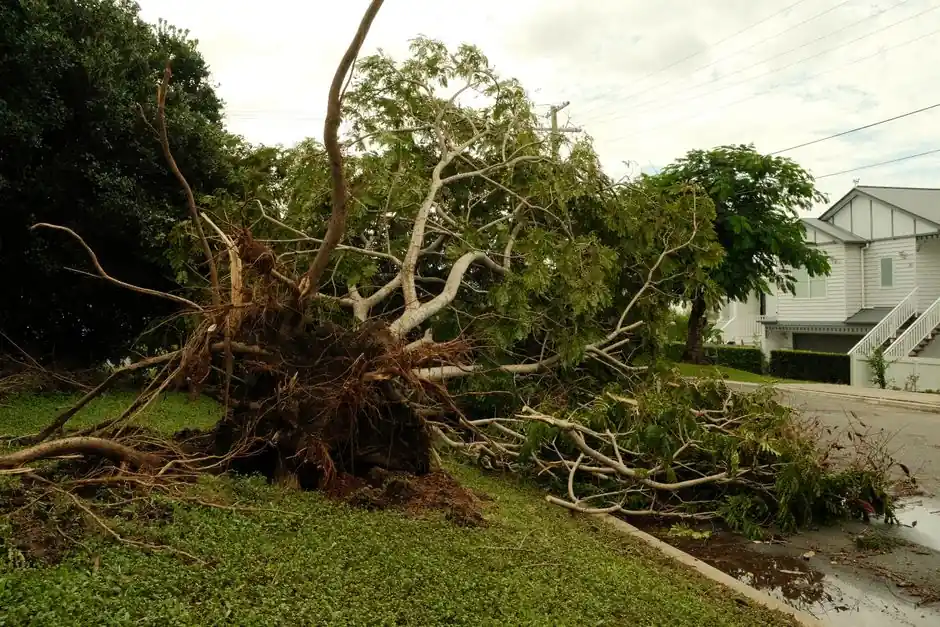
Remove fallen branches and yard debris after a storm by checking for electrical, structural, and tree hazards first, then clearing only loose debris you can handle without climbing or cutting under tension. Wear protective gear, separate branches from leaves and mixed waste, and arrange disposal according to your locality's collection rules. This guide walks you through a safe inspection, practical cleanup sequence, disposal options, and signs that call for a professional crew. In Virginia, autumn wind and rain can leave a yard littered with limbs while saturated soil makes access and footing less predictable.
Remove Fallen Branches and Yard Debris After a Storm is residential outdoor cleanup that clears storm-damaged limbs and loose waste so your yard, paths, and access points are usable again. Our team handles post-storm branch cleanup across Virginia, from scattered sticks to heavier yard debris that needs sorting and hauling.
What to check before starting yard cleanup after high winds
A Virginia storm-damaged yard needs a hazard check before you pick up even a small branch, because hidden wires, unstable trees, and damaged structures can turn cleanup into an emergency. Walk the property from a safe distance first; do not step beneath a hanging limb or into standing water near electrical equipment.
Look for downed power lines, branches touching service wires, leaning trees, cracked trunks, lifted roots, and limbs caught in other branches. Treat every downed line as live, stay at least 30 feet away, and call 911 or the utility company from a safe location. If a branch has hit your house, garage, or vehicle, document the damage from outside the hazard area and contact the appropriate emergency or insurance resource.
- Check the forecast and wait until wind and lightning have stopped.
- Keep children and pets indoors or well away from the work area.
- Identify slippery slopes, muddy ground, broken fencing, and exposed nails.
- Take photos of damaged trees and property before moving debris.
Virginia conditions vary: coastal neighborhoods can have salt-laden gusts and storm surge concerns, while foothill yards often have steep ground and saturated soil after prolonged rain. In Richmond, mature street and yard trees can leave limbs over sidewalks or fences; our work in the area includes Yard Cleanup Services in Richmond for yards where access and safe staging need a little planning.
How do you safely remove fallen branches after a storm?
You can safely remove fallen branches after a storm when they are already on the ground, free of wires, not trapped under tension, and light enough for you to lift without straining. Start with loose leaves and small twigs, then move manageable branches from open ground; never climb a tree or pull down a hanging limb.
Wear sturdy closed-toe boots, work gloves, eye protection, and long sleeves. A hard hat is sensible if small overhead twigs remain, but it does not make it safe to work beneath a damaged tree. Keep a first-aid kit nearby and work with another adult; one person can watch the surroundings while the other moves debris.
- Clear a route to the debris without walking under damaged limbs.
- Pick up small branches by the thick end and carry them to a staging spot.
- Use hand pruners only on small, stable twigs within comfortable reach.
- Cut nothing that is bowed, pinned, suspended, or supporting another limb.
- Stack branches in short, stable piles away from doors, drains, and driveways.
A branch that appears ordinary can spring or roll when a trapped section shifts. If you cannot tell whether the wood is under pressure, leave it in place. Chainsaws require training, secure footing, and a clear escape route; a homeowner should not use one to free a lodged limb or cut a large trunk into pieces. For heavy or awkward wood, Branch and Limb Removal in Virginia is the safer route than trying to muscle it across a wet lawn.
Sort debris and plan the hauling
Sorting storm debris in Virginia keeps yard waste separate from household trash and helps you choose a collection or hauling method before piles block access. Make distinct piles for branches, leaves and small organic material, and non-yard waste such as shingles, plastic, or broken outdoor furniture.
Keep branches clear of storm drains, fire hydrants, mailboxes, and the roadway. A pile near the curb can obstruct sightlines or create a hazard, and local pickup programs often specify where and how material must be staged. If your driveway is narrow, leave a path at least 3 feet wide to reach doors, bins, and parked vehicles.
For hand loading, bundle only what you can lift safely. A 4-foot branch bundle is easier to carry and stack than a tangled pile, but do not tie wood so tightly that a collection crew cannot separate or handle it. Keep wet leaves in a separate pile; they become heavy quickly and can conceal glass, wire, or sharp splinters.
After a coastal storm, salt spray and wind-blown sand can mix with branches and leaves, especially in Hampton Roads yards. Our team serves homeowners needing Yard Cleanup Services in Virginia Beach, where keeping debris away from drainage paths matters after heavy rain.
How to dispose of branches after a Virginia storm
Virginia homeowners should dispose of storm branches through their locality's yard-waste collection, drop-off site, or a hauling service, because accepted sizes, bundling rules, and storm-event pickup schedules vary by county and city. Check the public works or solid-waste page for your address before placing debris at the curb.
Regular collection programs often limit branch length, bundle weight, and the number of bundles per pickup; some require limbs to be cut into sections around 3 to 4 feet long, while others use different limits. Do not assume storm debris follows normal rules. A locality may announce a separate pickup window after a major weather event, with specific staging instructions and a deadline.
Never burn a mixed debris pile without checking local fire restrictions and air-quality rules. Burning wet leaves and treated or painted wood creates smoke and can spread embers. Do not put branches in a recycling cart or leave them beside a public road unless local instructions explicitly allow it.
When the volume is larger than your collection allowance, a dedicated Storm Debris Cleanup in Virginia visit can gather branches, leaves, and scattered outdoor waste in one pass. We sort the material for practical loading and remove debris from lawns and access routes, rather than leaving a second, smaller pile for you to deal with later.
Common mistakes during post-storm branch cleanup
Common storm cleanup mistakes in Virginia include working too soon, cutting loaded limbs, dragging heavy wood across wet turf, and placing piles where they block drainage or collection access. A rushed cleanup often creates a second problem: damaged turf, a strained back, or debris that has to be moved twice.
Do not assume a tree is stable because its leaves look green. Root plates can shift after the ground saturates, and a split trunk can fail later as wind returns. If a tree leans more than it did before the storm, soil is lifting around its base, or a crack runs down the trunk, keep people clear and contact a qualified tree professional.
Also avoid lifting with a rounded back or twisting while carrying. A 25-pound branch held away from your body feels much heavier than the same load close to your torso. Use a wheelbarrow on stable ground for small, loose material; do not push a loaded cart down a muddy slope.
Finally, do not sweep leaves and twigs into gutters, ditches, or storm drains. They can restrict water flow and worsen pooling during the next downpour. Clear the drain opening only if you can do so from stable ground without entering water or reaching near electrical equipment.
When to call a professional for fallen limb cleanup
Call a professional for fallen limb cleanup in Virginia when a branch is larger than you can lift comfortably, tangled overhead, near a power line, resting on a structure, or beyond the capacity of your normal yard-waste pickup. A crew can remove loose debris and haul it without asking you to cut a hazardous limb yourself.
Professional help also makes sense when a storm leaves several cubic yards of branches, blocks a driveway, or scatters debris across a large lawn. For a small yard, a few loose limbs may take one person 30 to 60 minutes; a dense pile or wet, uneven ground can turn that into a half-day task. Our team handles storm cleanup and branch hauling so you can get paths and outdoor areas back in use.
Tell us what fell, whether debris is near a building or fence, and whether any lines or hanging limbs are involved. Virginia Yard Cleanup Pros focuses on ground-level yard debris removal and branch hauling; if a standing tree or suspended limb needs tree surgery, we direct that hazard to an appropriate tree-care professional. For loose material that needs a single thorough visit, our One-Time Yard Cleanup in Virginia can take care of scattered branches, leaves, and outdoor waste together.
We give you straightforward pricing before the cleanup begins. A useful description or a few photos of the debris help us understand the amount to clear and the access available.
Frequently Asked Questions
How do I safely remove fallen branches after a storm?
Remove only loose, ground-level branches you can lift without strain, and wear gloves, eye protection, long sleeves, and sturdy boots. First check for wires, unstable trees, and branches under tension. Keep at least 30 feet from downed power lines, and do not use a chainsaw to free lodged or suspended wood.
When should I hire a professional for storm debris cleanup?
Hire a professional when debris is overhead, trapped, near a power line or structure, too heavy to lift safely, or too bulky for local collection. Call immediately for electrical hazards, and keep clear until the utility or emergency service handles them. A cleanup crew is also useful when storm debris covers several areas of the property.
Can I put storm-damaged branches out for yard waste collection?
Often, but your city or county sets the rules for branch length, bundle weight, placement, and storm-event pickups. Check local solid-waste guidance before setting branches at the curb; do not block sidewalks, drains, hydrants, or traffic sightlines. Special storm collection may use different instructions from regular weekly yard-waste service.
What should I inspect before cleaning a storm-damaged yard?
Check for downed or low power lines, cracked or leaning trees, raised roots, hanging limbs, damaged structures, standing water, and sharp debris. Make the first inspection from a distance, and keep children and pets inside. If anything touches a line, stay at least 30 feet away and contact the utility or emergency services.
How quickly should yard debris be cleared after a storm?
Clear hazards and blocked access as soon as conditions are safe, ideally within 24 to 48 hours for loose debris that affects walkways or drainage. Do not rush into active wind, lightning, or unstable-tree conditions. For curbside waste, follow the local pickup deadline and stage branches only when the area is safe and permitted.
Get help with Yard Cleanup Services in Virginia
If fallen limbs and mixed yard waste are keeping you from using your property, Virginia Yard Cleanup Pros can clear the debris and haul it away. Call +1 (540) 296-6598 to arrange storm cleanup.