
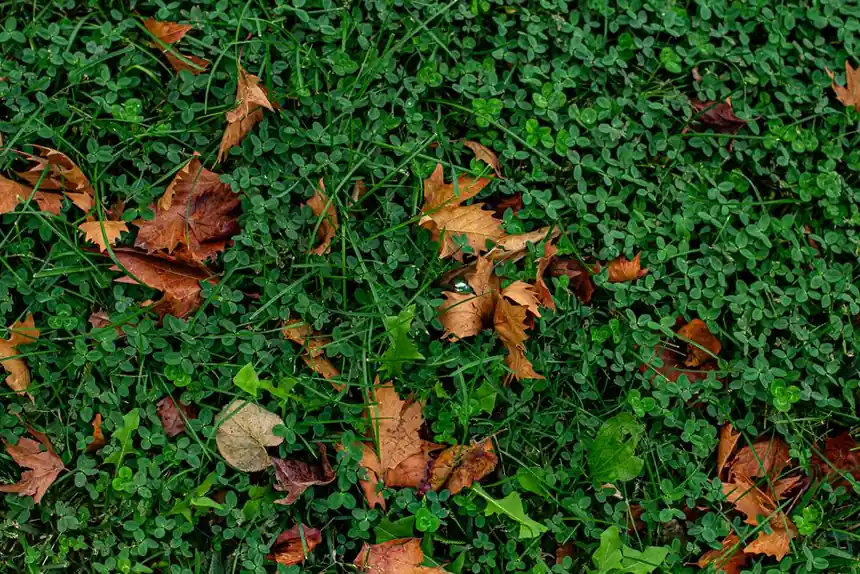
Leaf removal matters because a dense blanket blocks sunlight and airflow, traps moisture, and weakens grass just as it enters winter dormancy. Clearing or finely mulching excess leaves keeps turf exposed to light and reduces the damp conditions that can contribute to lawn disease. Why Leaf Removal Is Important for a Healthy Lawn is simple: the right cleanup protects living grass while letting you keep a useful amount of shredded leaf material on the soil.
Across Virginia, leaf drop often continues in waves through October and November, so one pass rarely solves the problem for the whole season. We help homeowners judge what can be mulched, what needs collecting, and how to keep lawn areas from disappearing under wet leaves.
Why Leaf Removal Is Important for a Healthy Lawn is seasonal turf care that removes or finely mulches fallen leaves before they form a heavy, moisture-holding layer over grass. For homeowners who want help with the full yard, our Yard Cleanup Services in Virginia include leaf clearing and related outdoor cleanup.
Why is leaf removal important for a healthy lawn?
Leaf removal is important for Virginia lawns because grass needs light and air at the crown, and thick leaf cover blocks both. Removing excess leaves helps turf maintain healthier conditions through dormancy and gives spring growth less debris to push through.
A thin scattering of dry, chopped leaves is different from a matted blanket. Mulched fragments can break down and return organic matter to the soil, but whole leaves that overlap and stick together form a barrier. The practical goal is not a spotless yard; it is keeping grass visible across most of the lawn.
Leaf clearing also makes it easier to spot bare patches, standing water, animal damage, and fallen branches before winter weather hides them. During Fall Yard Cleanup in Virginia, we remove heavy leaf layers while checking lawn edges and planting beds for debris that could be missed during a quick mow.
How thick leaf cover affects Virginia grass
Thick leaf cover affects Virginia grass by shading the blades, holding moisture against the turf, and limiting air movement around the crowns. A wet mat can press down grass and leave yellow or bare areas when you rake it away.
Grass does not stop needing light simply because growth slows in cool weather. Many Virginia lawns contain cool-season turf such as tall fescue, which remains active during mild autumn periods and benefits from sunlight and airflow. If leaves cover the lawn for weeks, the grass has less opportunity to photosynthesize and recover from everyday wear.
Moisture is another concern. A layer of leaves can stay damp after rain or morning dew, especially in shaded areas beneath mature trees. Persistent wetness does not guarantee disease, but it creates conditions that can favor fungal problems and make turf more vulnerable.
Leaf buildup can also hide small hazards. You may not see a low spot that holds water, a loose branch, or a thin patch where weeds can take hold. Clearing leaves gives you a useful view of the lawn before cold weather and helps you plan repairs in spring.
When to clear autumn leaves to protect a lawn
Clear autumn leaves from Virginia lawns whenever they cover roughly 20 to 30 percent of the grass or begin to overlap into a continuous layer. During peak fall drop, inspect the lawn every 7 to 14 days and clean up sooner after heavy wind or rain.
There is no need to wait until every tree is bare. A few light leaves will not usually harm established turf, but the first wet, compacted mat is a good signal to act. October is a sensible time to begin regular checks in Virginia, with the schedule adjusted for local tree cover and weather; some yards continue dropping leaves well into November.
Our team sees the same pattern in city and suburban yards: a lawn under one large oak can need more frequent attention than an open yard with scattered trees. In the Tidewater region, coastal breezes can move leaves into fences and lawn corners, while yards around Yard Cleanup Services in Richmond often have a mix of mature shade trees and open turf that calls for different cleanup intervals.
If leaves are dry and scattered, mowing over them with a mulching mower can reduce them into small pieces. If they conceal most of the grass, are soaked, or have formed thick piles, collect them instead. Before winter, make sure the lawn is not left under a continuous layer of intact leaves.
The best way to clear wet leaves from residential grass
The best way to clear wet leaves from residential grass is to let the surface dry when practical, then use a leaf blower, rake, or mower-and-bag setup suited to the amount of debris. For a heavy wet mat, collect in manageable sections rather than dragging a dense pile across the turf.
Wet leaves weigh more and cling to grass, so aggressive raking can pull up weak turf or leave marks in soft soil. If the lawn is saturated, wait until it firms up; walking and pushing equipment over muddy ground can compact soil. A backpack blower or a mower with a collection bag can make larger areas more manageable, while a flexible leaf rake gives you control around edges and shrubs.
Use this quick approach:
- Clear leaves from grass first, then gather piles on a driveway or tarp.
- Mulch dry, light leaf cover only if the pieces become small enough to settle between grass blades.
- Collect heavy, wet, or matted leaves instead of repeatedly chopping them into clumps.
- Keep leaves out of storm drains, walkways, and drainage channels.
For a typical residential lawn, divide a large area into strips and work toward one collection point. Avoid blowing leaves into a neighbor's yard or street; bag them, compost suitable material, or use your community's yard-waste collection rules. If you have a thick layer across several sections, Leaf Removal in Virginia can take the hauling and repeated passes off your hands.
Common leaf cleanup mistakes to avoid
Common leaf cleanup mistakes in Virginia include waiting until leaves are soaked, leaving thick piles on turf, and mowing over more material than the mower can finely shred. Each can turn a routine fall chore into a lawn problem.
Mulching is useful, but it has limits. If shredded leaves still cover the grass in clumps or hide the blades, make another pass or collect the material. A mower that is forced through deep leaf cover can clog, scatter uneven clumps, and leave some sections untouched.
Raking hard when the soil is wet is another avoidable mistake. It can disturb the surface and damage tender turf, especially in bare or newly seeded spots. Choose a dry window when possible and use light strokes around thin areas.
Do not assume every leaf belongs on the lawn. Thick leaves in garden beds may be suitable as a light natural layer, but diseased plant debris and large piles against stems or trunks need separate attention. Keep piles away from foundations and drains, where they can obstruct water flow or create persistent dampness.
When to call a professional for leaf cleanup
Professional leaf cleanup is useful for Virginia homeowners facing extensive tree cover, repeated leaf drop, steep or wet lawns, or more debris than household tools can collect efficiently. A crew can clear turf, gather piles, and haul away the material in one coordinated visit.
We recommend a professional pass when you cannot keep up with weekly or fortnightly leaf fall, when wet leaves have matted across the lawn, or when the yard includes long fence lines and hard-to-reach corners. Our crew can also separate lawn cleanup from debris around beds and walkways so the finished yard is easier to maintain.
Residential leaf collection and healthy grass go together when leaves are removed before they smother the turf, and the right cleanup plan depends on the yard's size, access, and tree cover. If you want help preparing your lawn for winter, Virginia Yard Cleanup Pros can handle the leaf clearing and hauling with upfront pricing.
Frequently Asked Questions
Why is leaf removal important for a healthy lawn?
Leaf removal protects lawn grass by keeping light and airflow from being blocked by a dense, wet layer. Check your lawn every 7 to 14 days during heavy leaf drop, and remove leaves when they cover roughly 20 to 30 percent of the grass or begin to mat together.
Can too many fallen leaves damage grass?
Yes. A thick layer left for weeks can shade grass, trap moisture, and leave flattened, pale, or bare patches after cleanup. A few scattered leaves are usually manageable; remove or finely mulch them before they form a continuous cover.
How often should I clear leaves from my lawn?
Inspect the lawn every 7 to 14 days during peak fall drop, then clear it whenever leaves start to overlap. A yard beneath mature trees may need weekly attention, while an open lawn may need only a few cleanup passes through autumn.
Should leaves be removed before winter?
Yes, remove heavy or matted leaves before winter settles in. A light layer of finely chopped leaves can break down, but intact leaves covering most of the turf should be collected so grass is not held beneath a damp blanket for months.
Can leaf buildup encourage lawn disease?
Leaf buildup can create damp, poorly ventilated conditions that favor some lawn diseases, though leaves alone do not prove disease is present. Clear matted cover, avoid working on saturated soil, and watch for persistent discolored patches after the lawn is exposed.
Get help with Yard Cleanup Services in
Keep thick leaves from covering your grass this autumn with help from Virginia Yard Cleanup Pros. Call +1 (540) 296-6598 to arrange leaf cleanup for your yard.